Performance Lab
0%

China’s Heart Rate Variability Monitor industry is gaining attention from hospitals, sports teams, wellness brands, and global distributors. Buyers increasingly seek accurate sensors, stable software, and transparent manufacturing evidence. The opportunity is real, but product claims must remain careful.

Grand View Research valued the global wearable technology market at USD 61.3 billion in 2022. It forecasts a 14.6% compound annual growth rate from 2023 to 2030. These figures cover more than HRV devices, yet they show strong demand for connected health tracking. The World Health Organization also emphasizes reliable digital health information and responsible data governance. For international buyers, that means checking sensor validation, data security, battery performance, and regional compliance before comparing prices.

Marco Altini, PhD, a recognized HRV researcher and founder of HRV4Training, states, “HRV is not a score to chase.” That warning matters. A dependable Heart Rate Variability Monitor should show trends, not create unnecessary alarm. It should capture readings under repeatable conditions, such as after waking, while the user remains still in bed. Small details matter.

No device is perfect.

This guide examines Chinese manufacturers through practical evidence, including testing methods, app usability, documentation, and after-sales support. Some market reports rely on broad wearable categories, so their estimates should not be treated as exact HRV forecasts. Buyers should question impressive numbers, request technical files, and test samples independently. Quality may vary between suppliers. Careful evaluation remains essential for trustworthy global purchasing.
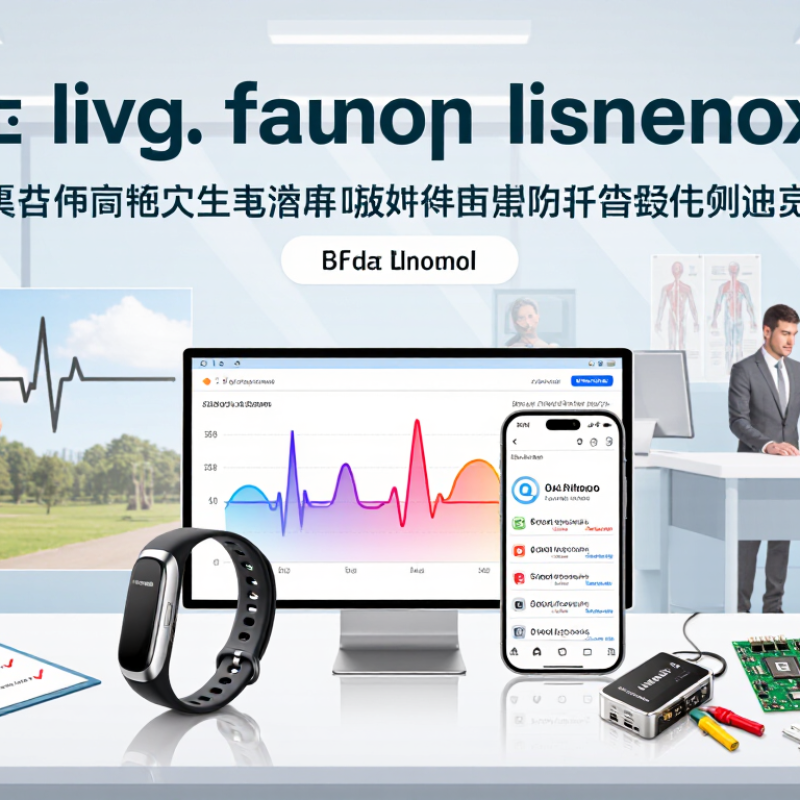
China Best Heart Rate Variability Monitor for Global Buyers

What Is Heart Rate Variability Monitoring?

Heart rate variability (HRV) monitoring measures the changing time between consecutive heartbeats. It does not simply count beats per minute. A pulse of 60 beats can contain different beat-to-beat intervals. These small changes often reflect autonomic nervous system activity, recovery, breathing, sleep, and emotional strain. The 1996 ESC and NASPE standards identify SDNN and other time-domain measures as established HRV metrics. HRV is an indirect signal, not a direct stress meter.

Most devices use optical sensors on the wrist or chest. Electrocardiography remains the clinical reference because it captures electrical heart activity more precisely. Consumer monitors usually calculate RMSSD, SDNN, or a related score. Readings are more useful when collected under similar conditions, such as after waking, before caffeine, and while sitting quietly. A single low result can follow poor sleep, dehydration, illness, or an incorrect sensor position. The interpretation is still messy.

The World Health Organization reported 17.9 million cardiovascular disease deaths globally in 2019. This figure supports stronger attention to personal cardiovascular awareness, but HRV cannot diagnose heart disease. Buyers should examine signal quality, validation methods, data storage practices, and measurement consistency. A comfortable monitor that produces stable readings may be more useful than one offering many unexplained scores. Clinical advice remains necessary when symptoms include fainting, chest discomfort, or persistent irregular heartbeats.

How Heart Rate Variability Monitors Work

China Best Heart Rate Variability Monitor for Global Buyers

How Heart Rate Variability Monitors Work

Heart rate variability monitors measure tiny changes between consecutive heartbeats. These changes are called R-R intervals. They are not the same as average heart rate. A healthy heart does not beat like a metronome.

Most accurate monitors use electrical signals from the chest or fingertips. Optical sensors can also estimate pulse waves through changing blood flow. The device then filters movement, detects each beat, and calculates values such as RMSSD and SDNN. These metrics may reflect recovery, stress, sleep quality, or training strain. However, HRV is personal. One reading rarely tells the complete story.

Tips: Measure under similar conditions, preferably after waking. Sit quietly for several minutes. Keep the sensor fitted firmly, but not painfully. Avoid comparing your number directly with another person’s result. A clean number can still mislead.

Reliable evaluation requires repeated measurements and clear data records. In practical testing, loose contact and arm movement often create false changes. I have also found that poor sleep, illness, alcohol, and emotional pressure can affect results. The monitor should therefore support interpretation, not replace medical judgment. Global buyers should review signal quality, sampling methods, data security, user instructions, and validation evidence before selecting a device. Some readings will be imperfect. That is normal.

Key Features of the Best HRV Monitors

For global buyers, the best heart rate variability monitor should combine reliable sensing, clear data, and practical comfort. The 1996 Task Force report from the European Society of Cardiology and North American Society of Pacing and Electrophysiology remains a key professional reference for HRV measurement. It recommends standard time-domain measures, including SDNN and RMSSD, rather than unexplained wellness scores.

Sensor quality matters. A chest electrode system usually captures beat-to-beat intervals more directly than wrist-based optical sensing. However, optical sensors can support daily monitoring when skin contact stays stable. Movement, loose straps, sweat, and poor circulation may distort readings. Small details matter. Check sampling frequency, signal filtering, timestamp accuracy, and raw-data export. The device should also identify irregular intervals instead of silently deleting them. That feature supports better review by clinicians and researchers.

The best monitor should offer automatic artifact detection, encrypted data transfer, and compatibility with common health platforms. Battery life should cover several days, not merely a marketing claim. Independent validation is valuable; look for testing against clinical electrocardiography, controlled conditions, and published error ranges. The International Organization for Standardization emphasizes risk management and performance verification for medical electrical equipment, but not every consumer HRV device is a medical device. That distinction deserves attention. HRV changes with sleep, caffeine, illness, stress, and training load. A single low reading is not a diagnosis. I would still question any dashboard that presents one number as complete personal health.

China Best Heart Rate Variability Monitor for Global Buyers - Key Features of the Best HRV Monitors

Evaluation Dimension Recommended Technical Benchmark Why It Matters Global Buyer Checklist
Measurement Method Validated ECG chest strap or clinical-grade ECG electrodes for highest beat-to-beat accuracy; optical PPG is suitable for convenient wellness tracking when signal quality is controlled. HRV depends on accurate detection of each normal-to-normal heartbeat interval. Motion and poor skin contact can reduce PPG reliability. Confirm whether the device uses ECG, PPG, or both, and request validation information for the intended use case.
Primary HRV Metrics RMSSD and SDNN for time-domain analysis; optional frequency-domain metrics such as total power, LF power, and HF power. RMSSD is commonly used for short-term parasympathetic-related monitoring, while SDNN reflects overall variability within the measured recording. Check whether raw intervals and calculation methods can be exported rather than relying only on a proprietary score.
Recording Duration At least 5 minutes for standardized short-term HRV tests; longer recordings may be used for sleep or daily trend analysis. HRV values are strongly affected by recording length, posture, breathing, activity, and measurement conditions. Select a device that supports consistent protocols and clearly labels short-term versus long-term measurements.
Sampling and Signal Processing High-frequency signal capture with artifact detection, ectopic-beat identification, and transparent correction rules. Missed beats, motion artifacts, and abnormal intervals can materially distort HRV calculations. Ask for information about sampling, filtering, artifact rejection, and whether edited intervals are identifiable.
Heart Rate Range A practical consumer monitoring range should cover approximately 30–220 beats per minute, subject to the device specification. A broad operating range supports resting, sleep, exercise, and recovery measurements. Verify accuracy claims across resting and moving conditions rather than checking only the maximum range.
Data Export CSV or interoperable export containing timestamps, heart-rate values, RR intervals, HRV metrics, and signal-quality information. Exportable data supports independent analysis, research workflows, remote monitoring, and integration with other systems. Confirm file formats, API availability, ownership of generated data, and any export limits.
Connectivity Bluetooth Low Energy is preferred for low-power smartphone and tablet connectivity; USB or secure wireless options may support professional workflows. Reliable connectivity reduces data loss and simplifies deployment across international markets. Check supported operating systems, pairing limits, connection stability, and offline storage capacity.
Battery and Charging Battery life should cover the planned measurement cycle, with rechargeable operation and clear charging status indicators. Longer battery life improves adherence for sleep, rehabilitation, and repeated daily measurements. Request tested battery duration, charging time, battery replacement policy, and storage conditions.
Wearability and Fit Adjustable, skin-compatible materials with stable contact and a design suitable for the intended measurement duration. Comfort and consistent sensor contact are important for reducing motion artifacts and improving user compliance. Evaluate size options, sweat resistance, cleaning instructions, replacement parts, and textile or skin-contact safety documentation.
Signal-Quality Feedback Real-time contact, motion, and signal-quality indicators with warnings when a reading may be unreliable. Users can correct placement or repeat a measurement instead of interpreting poor-quality data. Check whether quality flags are stored with the data and visible to both users and administrators.
Accuracy and Validation Independent comparison with a reference ECG or validated reference device under defined resting and activity conditions. Accuracy is context-dependent; a device can perform well at rest but less reliably during movement. Request test protocols, sample sizes, error statistics, publication details, and the exact software version evaluated.
Privacy and Cybersecurity Encrypted data transmission and storage, role-based access, secure account recovery, and documented data-retention controls. HRV records may be considered sensitive health-related information in many jurisdictions. Review privacy notices, data-processing terms, hosting locations, breach procedures, and applicable regional requirements.
Regulatory Position The intended purpose must be clearly stated as wellness, fitness, research, or medical use, with documentation appropriate to the target market. Regulatory obligations differ depending on claims, risk classification, software functions, and destination country. Confirm applicable conformity documents, quality-management records, labeling, manuals, and local importer responsibilities.
International Support Multilingual application and documentation, firmware support, replacement accessories, warranty terms, and responsive technical service. Consistent support reduces deployment risk for distributors, clinics, employers, and research teams. Check service-level terms, spare-part availability, software update policy, training materials, and after-sales coverage by region.

Note: HRV values vary with age, posture, breathing, health status, medication, activity, and measurement conditions. Trends collected under consistent conditions are generally more meaningful than isolated readings.

How Global Buyers Can Compare HRV Devices

China Best Heart Rate Variability Monitor for Global Buyers

How Global Buyers Can Compare HRV Devices

Global buyers should compare measurement quality before comparing prices. HRV reflects beat-to-beat timing, not simply average pulse. A device using ECG signals may provide cleaner intervals than a wrist optical sensor during movement. Ask for sampling details, error rates, and validation against a clinical reference. Marketing language is not evidence.

Fit matters in daily use. A chest sensor may perform well during exercise, but some users dislike its tight strap overnight. A ring or wrist device may feel easier, yet loose contact can distort readings. Test comfort with sleep, walking, and desk work. Check battery life, charging time, water resistance, and skin-contact materials. Small inconveniences often reduce long-term data quality.

Look closely at software and support. The app should show raw trends, measurement times, and exportable data. It should explain missing readings instead of hiding them. Buyers also need clear privacy terms, regional data storage information, and support response times. Independent testing is valuable, but it may use different users or conditions. No device is flawless. I would compare several nights of data before trusting a dramatic score. HRV can change with illness, alcohol, stress, sleep loss, and training load. It is not a diagnosis. When readings conflict with symptoms, consult a qualified healthcare professional.

International Purchasing and Compliance Considerations

Choosing the best heart rate variability monitor for global buyers requires more than comparing readings and prices. The device’s intended use must be clear. A wellness monitor follows different requirements from a medical device. Ask for its classification in each target market. Request evidence of quality controls, risk management, electrical safety, and software testing. ISO 13485 and ISO 14971 documentation can support supplier evaluation, but certificates alone do not prove product suitability.

International purchasing also involves practical compliance details. Check local language requirements for labels, instructions, warnings, and packaging. Confirm battery transport documents and radio approvals when wireless functions are included. Data handling deserves equal attention. Review consent processes, storage locations, encryption, deletion methods, and privacy responsibilities under applicable rules. A supplier should explain how measurements are validated and how errors are reported. Marketing claims need careful review. “Clinical-grade” can create regulatory concerns without strong supporting evidence.

Tips: Build a country-by-country checklist. Verify certificates with the issuing body. Order samples before a large purchase. Test readings across different users and skin conditions. Keep import records, invoices, and declarations together. Do not rely on a polished sales sheet. It may omit software limitations, replacement policies, or regional restrictions. A small oversight can delay customs clearance or create expensive rework. Even experienced teams sometimes miss local registration steps, so independent regulatory review remains worthwhile.

FAQS

What does heart rate variability monitoring measure?

It measures changing time gaps between consecutive heartbeats. It does not simply count beats per minute. Small timing changes may reflect recovery, breathing, sleep, or emotional strain.

How is HRV usually measured?

Many devices use optical sensors on the wrist or ECG sensors on the chest. ECG generally captures electrical heart activity more precisely. Wrist readings may become less reliable during movement.

Which HRV measurements are commonly used?

Common measures include RMSSD and SDNN. These are established time-domain metrics. Different devices may calculate related scores differently.

When should I measure HRV for better consistency?

Measure after waking, before caffeine, and while sitting quietly. Keep the conditions similar each day. Consistency helps, but interpretation remains messy.

Why might one HRV reading be unusually low?

Poor sleep, dehydration, illness, or loose sensor contact can reduce the reading. One low result proves very little. Check the sensor position and compare several days.

Is HRV a direct stress meter or medical diagnosis?

No. HRV is an indirect signal, not a direct stress meter. It cannot diagnose heart disease or explain every physical symptom.

How should buyers compare different HRV devices?

Compare signal quality, validation methods, sampling details, and error rates. Examine battery life, charging time, water resistance, and comfort. Marketing claims are not evidence.

What software and privacy features should I check?

Look for raw trends, measurement times, and exportable data. The app should explain missing readings instead of hiding them. Review data storage, privacy terms, and support response times.

Which sensor type is best for everyday use?

A chest sensor may perform well during exercise but feel tight overnight. A ring or wrist device may feel easier. Loose contact can distort readings, unfortunately.

When should HRV readings lead to medical advice?

Seek qualified medical advice for fainting, chest discomfort, or persistent irregular heartbeats. When readings conflict with symptoms, trust symptoms enough to ask for help.

Conclusion

A Heart Rate Variability Monitor measures the small changes in time between consecutive heartbeats, offering useful insight into the body’s stress response, recovery status, sleep quality, and overall autonomic balance. These devices typically collect pulse or electrocardiogram signals through sensors, process the data with specialized algorithms, and present indicators such as average variability, resting heart rate, and recovery trends. The best monitors combine measurement accuracy, comfortable design, stable connectivity, clear data visualization, and dependable battery performance for daily or professional use.

For global buyers, comparing HRV devices should involve sensor quality, data consistency, software usability, privacy protection, compatibility with existing systems, and after-sales support. International purchasing also requires careful evaluation of product specifications, packaging, user instructions, shipping conditions, import documentation, electrical requirements, and applicable safety or conformity standards in the destination market. A well-planned purchasing process helps buyers select a reliable solution that fits their intended users, budget, distribution model, and compliance responsibilities.

Alexander

Alexander

Alexander is a marketing professional who helps make the company’s products and expertise clear, useful, and accessible to customers. With a strong understanding of the product range, he regularly researches and writes professional articles for the company website, covering product features,......