Choosing a Sleep Stage Tracker can feel like buying a small laboratory for your wrist. It may show light sleep, deep sleep, REM sleep, heart rate, movement, and breathing trends. Yet these readings are estimates, not direct brain measurements. A useful device should guide better decisions, not create another reason to worry at 3 a.m.
Sleep scientist Matthew Walker, PhD, wrote, “Sleep is the single most effective thing we can do to reset our brain and body health each day.” That idea should shape your choice. Look for validated sensors, clear explanations, comfortable materials, and strong data privacy controls. Check whether the tracker has been tested against polysomnography, the clinical sleep study used as a reference standard. Also examine battery life and app design. A device that stops recording after one night becomes expensive decoration.
Your routine matters. A shift worker may need reliable timing data, while a runner may value recovery trends and resting heart rate. Do not choose based on colorful graphs alone. I have seen people compare nightly scores obsessively, then sleep worse because of the tracker. That is a real limitation. Trends over several weeks usually matter more than one unusual night. Accuracy can vary with skin contact, movement, illness, and individual physiology. If the device reports repeated breathing problems or severe sleep disruption, discuss those findings with a qualified healthcare professional. A Sleep Stage Tracker can reveal patterns, but it cannot diagnose every sleep disorder. The best choice balances evidence, comfort, privacy, and your ability to use the information calmly.
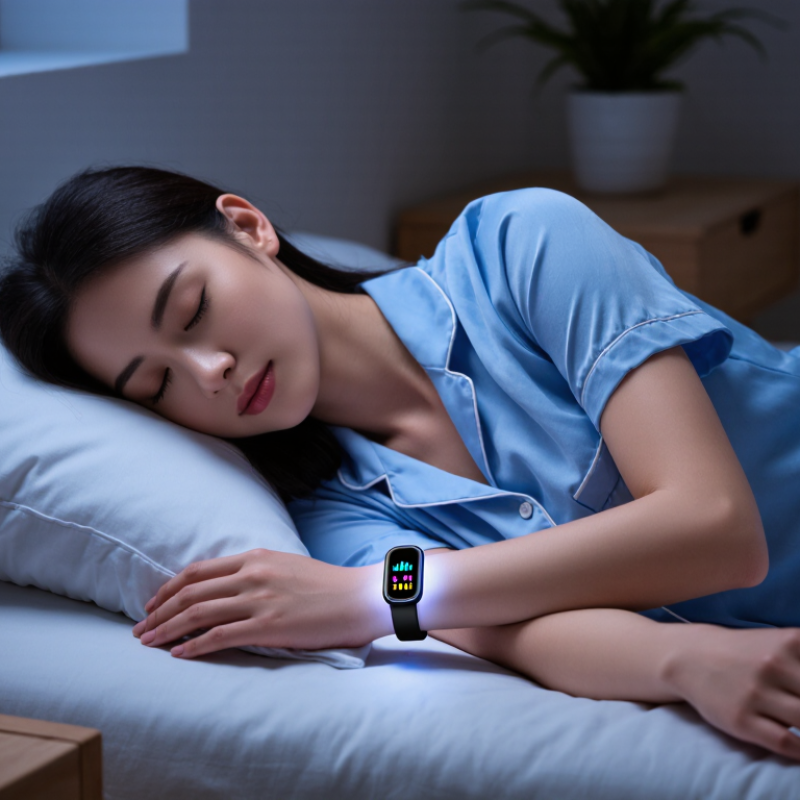
Define Sleep Goals Using the AASM’s 7+ Hour Adult Sleep Recommendation
How to Choose a Sleep Stage Tracker for Better Sleep
The American Academy of Sleep Medicine recommends that adults regularly sleep seven or more hours each night. Use this guidance as your starting point, not as a nightly test. A sleep tracker can show bedtime, wake time, and estimated sleep duration. It may also estimate light, deep, and REM sleep. These stage readings are not medical measurements. Trackers infer them from movement and heart-related signals, so their accuracy can vary.
Choose a device that records consistent data, displays time asleep clearly, and feels comfortable until morning. A bulky sensor may disturb your sleep. A confusing app may increase worry instead of improving rest. Look for adjustable goals, readable weekly trends, and privacy controls. Compare several nights rather than judging one restless Tuesday. Your room temperature, late meal, exercise, and stress can change the results.
Tips:
Set a seven-hour minimum window, such as 11 p.m. to 6 a.m. Keep the tracker routine for two weeks. Write down how you feel after waking, including headaches, energy, or afternoon sleepiness. Then compare those notes with the data. Do not chase a perfect deep-sleep score. I once treated tracker numbers as facts, and that made bedtime feel like homework. Your experience matters too. If you regularly sleep less than seven hours, wake unrefreshed, or notice unusual breathing, discuss the pattern with a qualified healthcare professional.
Compare Tracker Sensors with Polysomnography, the Clinical Gold Standard
How to Choose a Sleep Stage Tracker for Better Sleep
Polysomnography remains the clinical gold standard for measuring sleep stages. During a study, sensors record brain waves, eye movements, muscle activity, heart rhythm, breathing, and oxygen levels. A trained technician reviews these signals in a controlled sleep laboratory. This detailed setup can identify awakenings, sleep apnea patterns, and unusual muscle activity. It is not comfortable for everyone. Wires across the scalp and chest may disturb a normal night.
Home trackers use simpler signals. Many rely on movement, pulse changes, skin temperature, or breathing patterns. Algorithms then estimate light sleep, deep sleep, and REM sleep. These estimates can reveal useful trends, such as repeated wake-ups after midnight. However, they do not directly measure brain activity. A quiet person may appear asleep while remaining awake. A restless sleeper may receive an inaccurate stage label. The numbers can look precise, but precision is not proof.
Choose a tracker based on your purpose. For general habits, prioritize comfort, consistent data, and clear reporting. For suspected sleep disorders, seek professional assessment instead of trusting a stage chart. Compare several nights, not one unusual Tuesday. I have found that people often chase “deep sleep” scores and ignore morning alertness. That is an imperfect approach. Sleep quality also depends on stress, illness, alcohol, room temperature, and medication. Treat consumer data as a conversation starter, not a diagnosis.
How to Choose a Sleep Stage Tracker for Better Sleep
Compare tracker sensors with polysomnography, the clinical gold standard
Polysomnography (PSG) scores sleep stages using brain activity (EEG), eye movements (EOG), and chin muscle activity (EMG), while also recording signals such as heart rhythm, airflow, breathing effort, and blood oxygen. Consumer trackers commonly rely on movement, optical pulse sensing, or a limited EEG signal, so their sleep-stage results are estimates rather than a direct clinical measurement.
The values represent typical physiological signal categories available in each method, not accuracy scores. Sensor configurations vary by device. PSG terminology follows standard clinical sleep-study practice.
Evaluate Stage-Detection Accuracy Across REM, Deep, and Light Sleep
How to Choose a Sleep Stage Tracker for Better Sleep
Evaluate stage-detection accuracy, not only the headline sleep score. A 2023 systematic review in Sleep Medicine Reviews found that consumer wearables generally detect sleep well, but wake detection remains weaker. Stage classification is harder. Most devices estimate REM, deep, and light sleep from movement and heart-rate signals, rather than brain activity.
Look for validation against polysomnography, the clinical reference standard. Ask for separate sensitivity, specificity, and agreement data for each stage. One 2021 review reported overall sleep sensitivity above 90%, while wake specificity was close to 50% in some devices. That gap matters. A tracker may show eight hours of sleep after several quiet awakenings.
Deep sleep deserves careful scrutiny. Its duration can change with age, exercise, illness, and bedtime shifts. REM estimates may also suffer when sensors confuse still wakefulness with sleep. Light sleep is often a broad residual category. Not very precise.
I would compare weekly patterns instead of trusting one night. Check whether a device was tested on different skin tones, ages, and sleep conditions. Many studies use small samples, controlled laboratories, or healthy adults. Real bedrooms are messier. A 2024 review in npj Digital Medicine also emphasized that wearable results should support, not replace, clinical assessment. Use the tracker to notice repeated changes, then question the data when your experience disagrees.
How to Choose a Sleep Stage Tracker for Better Sleep - Evaluate Stage-Detection Accuracy Across REM, Deep, and Light Sleep
Indicative ranges are based on commonly reported validation findings against overnight polysomnography. Results vary by study design, user population, sensor placement, and scoring method; devices should not be treated as diagnostic tools.
| Tracker Category |
Typical Overall
Stage Agreement |
REM Sleep
Agreement |
Deep Sleep
Agreement |
Light Sleep
Agreement |
Best Use |
Main Limitation |
| Clinical polysomnography with EEG |
85–95% |
85–95% |
90–97% |
80–90% |
Diagnostic assessment and research |
Expensive, intrusive, and usually conducted for one or a few nights |
| Consumer EEG headband |
75–90% |
80–92% |
82–94% |
70–85% |
Users who prioritize stage-focused trend tracking |
Fit, electrode contact, hair, and movement can affect signal quality |
| Under-mattress movement and breathing sensor |
65–80% |
70–85% |
75–88% |
60–78% |
Low-contact, long-term sleep-pattern monitoring |
May confuse quiet wakefulness with light sleep and is sensitive to bed sharing |
| Wrist wearable using movement and optical pulse signals |
55–75% |
60–80% |
65–85% |
50–70% |
Convenient daily trend tracking and sleep-duration estimates |
Sleep stages are inferred indirectly; still wake periods may be misclassified |
| Smartphone audio, motion, or camera-based tracker |
45–65% |
45–70% |
50–70% |
40–60% |
Basic bedtime routines and environmental monitoring |
Room noise, distance, privacy settings, and limited physiological data can reduce reliability |
Selection guidance: Prioritize independent validation against polysomnography, stage-specific sensitivity and specificity, multi-night consistency, sensor comfort, and transparent reporting of uncertain or missing data. Deep sleep is often easier to estimate than light sleep, while REM detection may vary substantially between individuals.
Check Validation, Privacy, Battery Life, and Compatibility Before Buying
Choosing a sleep stage tracker requires more than comparing colorful charts. Look for independent validation against polysomnography, the clinical reference for sleep measurement. Studies should explain participant numbers, testing conditions, and accuracy limits. Sleep stages are estimated from movement, heart rate, and other signals. They are not directly observed. Treat results as useful trends, not medical conclusions. I once trusted a low deep-sleep score too quickly, although late caffeine and a noisy room probably affected it.
Privacy deserves equal attention.
Read the data policy before connecting the device to your phone. Check whether recordings are encrypted, where information is stored, and whether you can delete your account data. Some services share information with analytics providers or require broad permissions. That may be acceptable to some users, but it should never be hidden. Disable unnecessary access, especially contacts, location, and microphone permissions.
Battery life changes everyday reliability. A tracker that needs nightly charging may miss the exact nights you want to compare. Choose a device that can last several days, and check charging time. Compatibility matters too. Confirm support for your phone, operating system, and health-data platform. Automatic syncing sounds convenient, but failed connections can create gaps. Before buying, test the charging routine and app interface if possible. Small frustrations become large ones at 2 a.m.
Choose Trackers for Trends, Not Diagnosis, and Review Results Weekly
How to Choose a Sleep Stage Tracker for Better Sleep
A sleep stage tracker can reveal patterns, but it cannot diagnose a sleep disorder. Choose a device that measures consistently and explains its limits clearly. Check how it estimates sleep stages, records awakenings, and protects your data. Comfort matters too. A tight wristband may disturb sleep and distort your real experience.
Look for patterns, not perfect numbers. Record your bedtime, wake time, caffeine, exercise, and evening stress beside the tracker results. After seven nights, review the trends weekly. You might notice shorter deep-sleep estimates after late meals or frequent awakenings after stressful workdays. Compare several weeks instead of reacting to one unusual score. That matters.
I once treated a low sleep score as a personal failure. The next morning, I felt alert and worked normally. The number had made me anxious, not informed. Tracker readings can vary with movement, skin contact, and algorithm changes. Use them as prompts for practical experiments, such as dimming lights one hour before bed. Change one habit at a time, then observe the results. If records show persistent disruption, loud snoring, breathing pauses, or severe daytime sleepiness, discuss those details with a qualified healthcare professional. A tracker can support that conversation, but it should not replace clinical assessment.
Conclusion
Choosing the right Sleep Stage Tracker begins with a clear goal: supporting healthy sleep habits based on the general recommendation that adults get at least seven hours of sleep each night. Since sleep trackers estimate sleep stages rather than directly measuring brain activity, it is important to understand how their sensors compare with polysomnography, the clinical gold standard. Consider whether the device uses movement, heart rate, breathing, or other signals, and review how well it identifies REM, deep, and light sleep.
Before buying, check whether the tracker has independent validation, strong privacy protections, sufficient battery life, and compatibility with your phone or other devices. No consumer tracker should be treated as a medical diagnostic tool, because sleep-stage readings can vary from night to night and may not be equally accurate for every person. Instead, use the device to observe longer-term patterns, such as bedtime consistency, total sleep duration, and changes in recovery. Reviewing results weekly can help you make practical adjustments while keeping expectations realistic.