Featured OEM/ODM Wearable & Biosensor Hardware
Explore our turnkey healthcare tracking solutions, microfluidic sensing platforms, and custom bio-electronic modules available for white-label manufacturing and system integration.
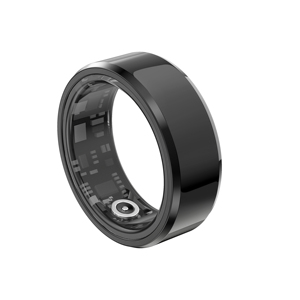
IP68 Waterproof Smart Ring Blood Pressure & Fitness Tracker
Ultra-compact titanium bio-ring incorporating PPG optical sensing and transdermal signal monitoring with 7-day autonomy.
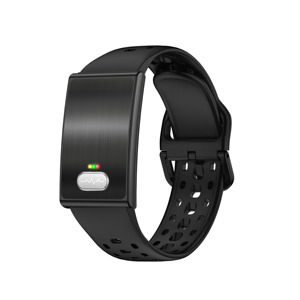
Screenless Fitness D06 Band Focused on Recovery & HRV Status
Low-power wearable band optimized for continuous HRV tracking, dynamic temperature deviation, and metabolic strain monitoring.
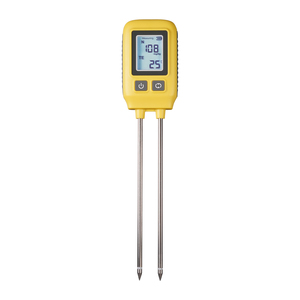
MOES Industrial Multi-Parameter Electrochemical Sensor Tester
High-precision multi-electrode detector engine designed for lab bench testing, microfluidic evaluation, and bio-chemical fluid metrics.
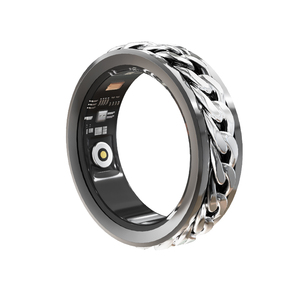
Smart Ring Diamond Design IP68 Stainless Steel Health Tracker
Luxury aesthetic medical-grade housing with embedded dual-wavelength photoplethysmography and micro-sensor telemetry.

Clinical Data Display Gateway & Interactive Medical Kiosk Hub
4K commercial display station for real-time telemetry streaming, clinical telemetry oversight, and patient biomarker dashboards.
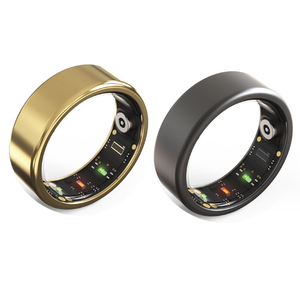
Wearable Finger Smart Ring SpO2 & Blood Glucose Monitor
Featherlight resin-encapsulated wearable ring platform engineered for non-invasive pulse blood oxygen and peripheral sensor logging.
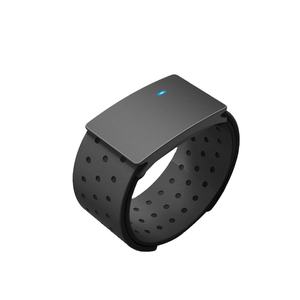
CL837 High Accuracy Sensor Ring with 60-Hour Battery Life
Ultra-accurate optical array for continuous circadian rhythm analysis, HRV tracking, and sub-skin temperature deviation.
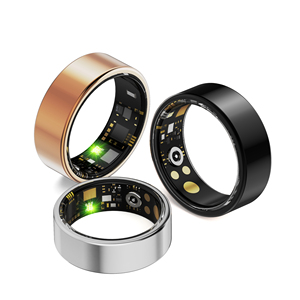
Health Smart Ring R11M Magnetic Charging Stainless Steel
Biocompatible dual-layer resin ring architecture featuring low-latency Bluetooth Low Energy 5.3 data streaming.
Precision Engineering in Custom Glucose Biosensor Manufacturing
The global market for continuous glucose monitoring (CGM) and point-of-care bio-electronics demands unprecedented chemical fidelity, ultra-low batch variation, and stringent signal processing accuracy. As an established OEM/ODM partner, our contract manufacturing facilities specialize in the development and mass production of advanced electrochemical and optical transdermal biosensor solutions.
Modern glucose sensing relies on two primary bio-chemical pathways: Glucose Oxidase (GOx) and Glucose Dehydrogenase (GDH-FAD) enzyme immobilization matrices. Through high-precision screen-printing of carbon, gold, and platinum micro-electrodes onto biocompatible flexible substrates (such as PET, Polyimide, and Liquid Crystal Polymers), our manufacturing process ensures optimal electron transfer kinetics and thermal stability.
Multimodal Sensing: Fusing Interstitial Fluid & Optical Telemetry
Next-generation metabolic health tracking requires combining minimally invasive electrochemical sensors with continuous non-invasive optical physiological indicators.
Electrochemical Microfluidics
Utilizing hydrogel-coated microneedle arrays designed to measure interstitial fluid (ISF) glucose concentration seamlessly. Featuring anti-fouling outer membranes to suppress bio-reactivity and inflammation, extending sensor longevity up to 15 days.
Redesigned Photoplethysmography
Multi-wavelength PPG optical arrays capturing micro-vascular arterial pulsations. High perfusion sensitivity allows sub-skin thermal sensing, resting heart rate, and heart rate variability (HRV) acquisition to correlate autonomic strain with glycemic swings.
On-Chip Machine Learning Engine
Dual-core microcontrollers running edge bio-intelligence. Raw sensor conditioning, noise filtering, baseline drift correction, and glycemic trend velocity calculations occur onboard before encrypted BLE 5.3 transmission.
OEM Biosensor Hardware & Substrate Specifications
A comprehensive breakdown of customizable parameters available for custom contract manufacturing, private-label branding, and medical device partnerships.
| Engineering Parameter | Electrochemical Continuous Patch (CGM) | Optical Transdermal Smart Wearable | Point-of-Care Strips (SMBG) |
|---|---|---|---|
| Primary Biomarker Target | Interstitial Fluid (ISF) Glucose | Pulse Wave Dynamics, Peripheral Temp, Glucose Correlation | Capillary Whole Blood Glucose |
| Enzymatic Formulation | GDH-FAD / GOx Immobilized Matrix | N/A (Multi-Wavelength Optical Transceiver) | Enzymatic Screen-Printed Carbon Electrodes |
| Accuracy Metric (MARD) | < 8.8% Clinical Mean Difference | Algorithmic Correlation Factor > 0.91 | ISO 15197:2013 Compliant (< ±15%) |
| Wear Duration / Battery Life | 14 to 15 Days Continuous Wear | Up to 15 Days (Ultra-Low Power Mode) | Single-Use Disposable |
| Wireless Telemetry | NFC / Low-Power Bluetooth BLE 5.3 | Encrypted BLE 5.3 Telemetry | N/A (Direct Hardware Interface) |
| Data Storage Capacity | Up to 250 Days On-Device Buffer | Up to 250 Days On-Ring Storage | External Reader Dependency |
| Enclosure & Biocompatibility | Medical Grade TPU & Hypoallergenic Adhesive | Fighter Jet-Grade Titanium Unibody / PVD Coating | Substrate PET Film (125 µm to 250 µm) |
| Regulatory Standards | FDA 510(k) Pathway, CE Class IIb Ready | RoHS, CE, FCC, ISO 27001, HIPAA | CE Mark, IVDR Compliant Manufacturing |
Why Global Medical Brands Partner With Our OEM Platform
Delivering medical-grade biosensors requires combining ultra-clean automated manufacturing with open software integration. Our production ecosystem (UltraFactory) provides scalable enterprise capabilities from rapid prototyping to high-volume commercial runs.
- ✔ Vertical Supply Chain Control: In-house substrate reel-to-reel printing, automated SMT component placement, laser etching, and enzyme stabilization chambers under Class 10,000 (ISO 7) cleanrooms.
- ✔ Medical & Sports Advisory Board: Algorithms validated through clinical trials published in peer-reviewed journals (such as Scientific Reports / Nature Portfolio).
- ✔ Data Governance & Privacy Compliance: Fully compliant with ISO 27001, GDPR, and HIPAA data handling protocols. Enterprise clients maintain complete ownership of raw biomarker signals via our UltraSignal API.
- ✔ Zero Mandatory Subscription Lock: Flexible business models allowing white-label partners to offer hardware-only sales or integrate proprietary SaaS subscription engines.
Future Trends in Biosensor Procurement & Technology
Key market shifts driving the next decade of glucose monitoring, wearable bio-electronics, and contract manufacturing strategies.
1. Evolution toward Multi-Biomarker Fusion (Multiplex Sensing)
Single-analyte glucose monitoring is giving way to multiplexed sensors capable of quantifying Glucose, Lactate, Ketones, and Uric Acid simultaneously from a single transdermal site. Procurement departments are prioritizing OEM suppliers with multi-channel microfluidic capabilities to address metabolic syndrome, diabetes, and high-performance athletic recovery markets.
2. Non-Invasive Optical Transdermal Breakthroughs
While enzymatic CGMs remain the clinical benchmark, photoplethysmography-assisted (PPG) optical spectroscopic monitoring is rapidly advancing. By combining multi-spectral laser diodes with on-chip machine learning baselines, transdermal non-invasive monitoring provides continuous, friction-free glycemic directionality for non-diabetic wellness and metabolic profiling.
3. Sustainable & Eco-Friendly Printed Bio-Electronics
Environmental regulations in Europe and North America (such as EU WEEE directives) are pushing procurement teams toward biodegradable substrate materials, zinc-air or printed flexible micro-batteries, and reduced plastic enclosures in disposable CGM patches to minimize electronic waste.
4. Decoupled Hardware & Open UltraSignal API Architectures
Enterprise healthcare providers and digital health brands increasingly reject walled-garden data ecosystems. Procurement now demands open SDK access, real-time raw data streaming capabilities, and modular plugin architectures (such as PowerPlugs) for custom algorithmic enrichment.
Frequently Asked Procurement & Technical Questions
Critical details for B2B procurement officers, medical device brand managers, and hardware engineering leaders.
Partner with a Leading OEM Biosensor Manufacturer
Accelerate your product launch with our certified bio-electronic production lines, custom microfluidics, and white-label health tracking hardware.