Featured OEM/ODM Telehealth Wearable Devices
High-precision medical wearables engineered for Remote Patient Monitoring (RPM), Decentralized Clinical Trials (DCT), and senior care telemetry. Customizable hardware platforms ready for white-label manufacturing and global export.
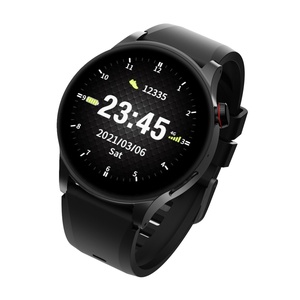
New Innovative GPS Tracking Bracelets L10N SOS Fall Detection Heart Rate Telehealth Watch Smart Alarm for Elderly(High Version)
Contact Us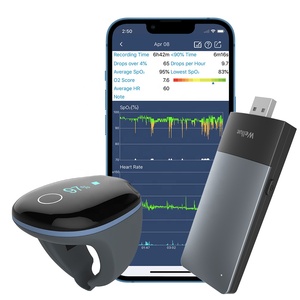
Wellue O2ring Remote Spo2 Heart Rate Variability Monitor Telehealth 4G Oximeters Pulse Sleep Apnea Sleep Monitor
Contact Us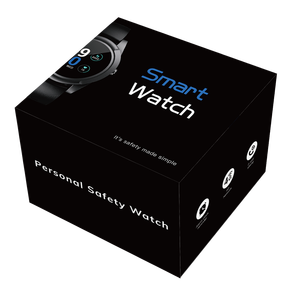
4G Android Waterproof Telehealth Care Heart Rate Monitor Phone Call Elderly Senior SOS GPS Tracker Smart Watch
Contact Us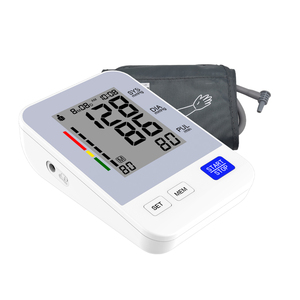
Urion U80IH Portable Spot Check Pulse Rate Wearable Telemedicine Monitor Online Remote Telehealth Blood Pressure Monitor
Contact Us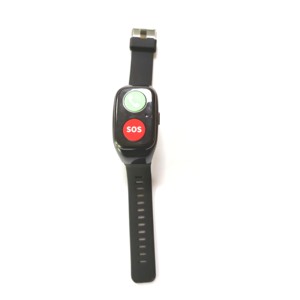
4G Elderly Watch GPS Tracker Heart Rate Monitor Online Tracking Device SOS Call Reminder, Heart Rate Telehealth Care Monitor
Contact Us
Telehealth Ecg+ppg G08 Smartwatch Home Remote Telecare Heartbeat Ecg Ppg Monitoring Luxury Medical Level Smart Watch
Contact Us
Wearable FSR Pressure Sensor Pad - High Precision Multi-point Matrix Piezoresistive Film for Health Monitoring & Telehealth
Contact Us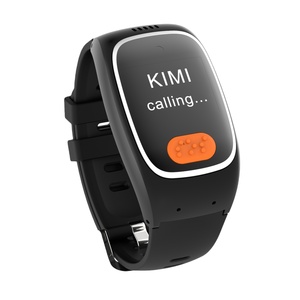
Telecare Smart Watch 4G GPS Wifi SOS Alert Fall Detection Tracker Watch for Dementia Alzheimer's Health Care
Contact UsIntegrated UltraFactory Production & Hardware Customization
We operate state-of-the-art manufacturing infrastructure dedicated to telehealth wearable devices. From rapid industrial design prototyping to mass SMT assembly and clinical-grade sensor calibration, we empower global brands to scale seamlessly.
Cleanroom Manufacturing
Our ISO Class 7 cleanrooms ensure dust-free optical lens assembly, precision liquid silicone rubber (LSR) molding, and bio-compatible skin contact material micro-encapsulation to prevent skin irritation during 24/7 wear.
Multi-Modal Biosensor Array
Custom integration of multi-wavelength Photoplethysmography (PPG: 530nm Green, 660nm Red, 940nm IR), single-lead and multi-lead dry-electrode ECG, skin temperature sensors, and piezoresistive film matrix arrays.
Edge-AI & Firmware Development
Low-power microcontroller firmware development (Nordic nRF5340 dual-core ARM Cortex-M33, STM32WB55) with integrated edge-AI algorithms for real-time arrhythmia flagging, gait pattern monitoring, and zero-false-alarm fall detection.
Future Trends in Telehealth Wearable Sensors
The landscape of Remote Patient Monitoring (RPM) and digital therapeutics is rapidly shifting from episodic spot-checking to continuous, non-invasive, preventive physiological monitoring.
1. Convergence of LTE-M, NB-IoT & BLE 5.4 Connectivity
Traditional consumer wearables rely heavily on smartphone pairing via Bluetooth. However, senior populations and clinical trial subjects often struggle with mobile app setup. OEM telehealth wearables are now adopting standalone cellular connectivity (eSIM-enabled LTE-M / NB-IoT) that streams raw biometric telemetric packets directly to hospital EHR systems via MQTT/TLS encryption, completely bypassing smartphone dependencies.
2. Miniaturization & Multi-Sensor Form Factors
From wristwatches to smart rings, adhesive chest patches, and piezoresistive FSR pressure pads, form factor versatility is driving patient adherence. Micro-sensor packaging allows combined ECG + SpO2 + Continuous Glucose Monitoring (CGM) + Skin Temperature tracking in ultralight titanium or medical-grade polymer housings weighing under 3 grams.
3. Edge AI Processing for Real-Time Clinical Triaging
Cloud processing introduces latency and high bandwidth overhead. Modern OEM telehealth sensors feature on-chip micro-ML (TensorFlow Lite for Microcontrollers) capable of filtering motion artifacts, recognizing Atrial Fibrillation (AFib) wave irregularities, and calculating Heart Rate Variability (HRV) metrics directly on the device, extending battery operational lifespans up to 15-45 days.
OEM/ODM Customization & Specification Matrix
Evaluate hardware engineering baseline specifications across our custom telehealth sensor development platforms.
| Platform Component | Standard Specification | OEM Customization Options | Clinical Compliance |
|---|---|---|---|
| Biometric PPG Sensor | Multi-wavelength (Green 530nm, Red 660nm, IR 940nm) | Custom optical path geometry, dark skin tone compensation optical LED drive currents | ISO 80601-2-61 (Pulse Oximeter Standard) |
| ECG Front-End Sensor | Single-Lead Dry Electrodes, 512 Hz sampling rate | 3-Lead chest strap connection, conductive fabric integration, noise-canceling hardware filters | IEC 60601-2-47 Ambulatory ECG Standard |
| Pressure & Motion Sensor | 6-Axis IMU (Accelerometer + Gyroscope), Piezoresistive FSR Matrix Pad | Custom matrix density, variable force sensing thresholds (0.1N to 50N resolution) | ASTM F2571 Motion Tracking Standard |
| Wireless Telemetry | BLE 5.3 L2CAP, 4G LTE Cat-M1 / NB-IoT (eSIM) | Wi-Fi 6, LoRaWAN enterprise mesh integration, customized cellular APN routing | FCC Part 15 / RED Directives, PTCRB / GCF |
| Data Encryption & SDK | AES-128 / RSA-2048 On-Chip Hardware Root of Trust | Native iOS/Android SDKs, UltraSignal REST API, HL7 / FHIR data streaming endpoints | HIPAA, GDPR, ISO 27001 Certified |
| Enclosure & Ingress | IP68 Waterproof, Aircraft-grade Titanium / Bio-compatible PC+ABS | Custom tooling design, laser engraving, anti-microbial surface coating | ISO 10993 Cytotoxicity & Irritation Tested |
White-Label & Turnkey Software Platform Integration
Hardware is only half the solution. As an established OEM/ODM exporter, we provide global B2B clients with complete end-to-end integration stack. Our proprietary software development kits (SDKs) allow seamless data extraction from wearable microcontrollers into your existing telehealth portal, EHR software (Epic, Cerner), or custom remote monitoring dashboards.
FDA 510(k) & CE MDR Regulatory Support Services
Navigating international medical device regulatory approvals can be a multi-year hurdle. We streamline your market entry by offering pre-validated hardware platforms. We supply full technical dossiers (STED), ISO 14971 risk management reports, software verification & validation documentation, and EMC/IEC 60601-1 test laboratory certificates to accelerate your FDA 510(k) clearance or EU CE MDR registration.
Frequently Asked Questions for Telehealth B2B Buyers
Direct answers to common technical, manufacturing, regulatory, and logistics queries from healthcare systems, RPM distributors, and medical technology brand owners.
What is the typical Minimum Order Quantity (MOQ) for custom OEM/ODM telehealth wearables?
For standard white-label hardware with custom logo branding and customized packaging, our initial MOQ starts at 500 units. For full ODM engineering projects requiring custom plastic tooling, bespoke flexible circuit board (FPC) design, or proprietary sensor configurations, our standard production MOQ is typically 2,000 to 5,000 units depending on component lead times.
Can the raw biometric telemetry data be streamed directly to our cloud servers without third-party interference?
Yes, absolutely. We prioritize full data sovereignty for our OEM enterprise clients. Firmware can be compiled with your specific cloud endpoints (AWS IoT Core, Azure IoT Hub, Google Cloud Healthcare API) utilizing direct MQTT or HTTPS protocol over 4G cellular or BLE. No user biometric data passes through unverified third-party servers.
How do you handle medical biosensor accuracy and device calibration during manufacturing?
Every manufactured unit undergoes automated 100% optical and electrical testing on calibrated phantom simulators. PPG sensors are calibrated using optical tissue phantoms for SpO2 accuracy (RMSD < 2% across 70%-100% range), ECG signals are evaluated against standard AHA/MIT-BIH cardiac waveforms, and pressure pads undergo automated multi-point force-loading matrix tests.
Are your telehealth wearable devices compliant with international data privacy laws (HIPAA & GDPR)?
Yes. On the hardware and firmware level, devices implement hardware-based Root of Trust (RoT), encrypted Bluetooth pairing (LE Secure Connections), and hardware AES-128 payload encryption. When combined with our cloud backend architecture, the solution operates under full ISO 27001, GDPR, and HIPAA compliant data handling protocols.
What is the battery life performance across your cellular vs. Bluetooth wearable platforms?
Battery endurance varies by form factor and transmission frequency. Bluetooth-only smart rings and patches achieve up to 7-15 days of continuous tracking on a single charge. 4G LTE-M / NB-IoT smartwatches with dynamic power management (heart rate sampling every 10 mins, hourly cloud upload) offer 3 to 7 days of autonomy. We also offer specialized ultra-low-power modes for long-term senior care tracking.
What is the turnaround time from initial concept design to mass production export?
For standard OEM white-label ordering, production lead time is 3 to 4 weeks after sample confirmation. For full custom ODM engineering, prototype iterations take approximately 4 to 6 weeks, tool engineering and molding require 6 weeks, and full regulatory testing plus mass production tooling setup takes an additional 8 to 12 weeks.
Ready to Engineer Next-Generation Wearable Biosensors?
Partner with a trusted global supplier and exporter of medical-grade telehealth hardware. Request technical datasheets, order sample evaluation kits, or schedule a technical call with our engineering team today.