Engineered Bio-Tracking Product Lineup
OEM/ODM Ready Medical-Grade Devices & Sensor Solutions for Global Buyers
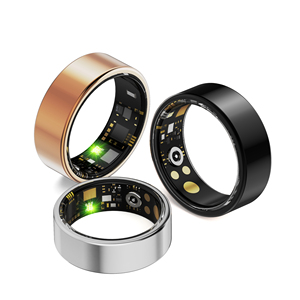
Health Smart Ring for Android IOS Stainless Steel + Resin Blood Oxygen Heart Rate Monitor IP68 Waterproof Magnetic Charging R11M
Get Catalog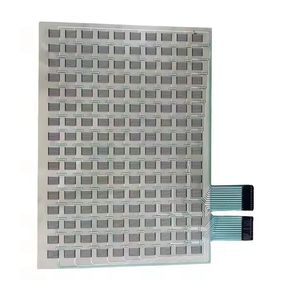
Wearable FSR Pressure Sensor Pad - High Precision Multi-point Matrix Piezoresistive Film for Health Monitoring & Telehealth
Get Catalog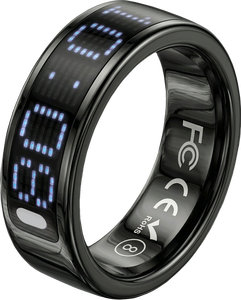
Islamic Stainless Steel Smart Ring Screen Prayer Vibration Reminder Digital Tasbeeh Counter Health Activity Tracking Muslims AI
Get Catalog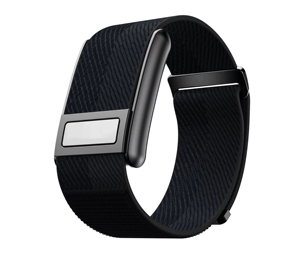
Femme ECG Stress & Mood Tracking Female Biological Cycle Management Smart Health Bracelets with Biological Index Age & Recovery
Get Catalog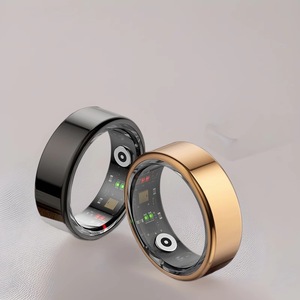
Smart Ring With Fitness Monitor Finger Digital Ring Blood Oxygen Sleep Health Tracker Ring
Get Catalog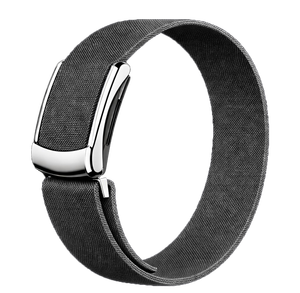
Screenless Smart Fitness Tracker App Heart Rate Sleep Monitoring HRV Recovery Tracking Long Battery Life Rechargeable Waterproof
Get Catalog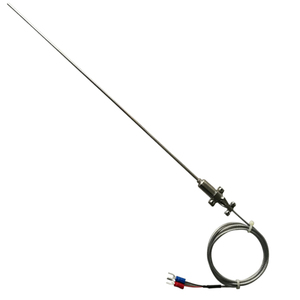
Sensor Outdoor Temperature Tube Skin Thermocouple IP65 Rated 1.5C Resolution Serial Port Communication OEM Customizable Probe
Get Catalog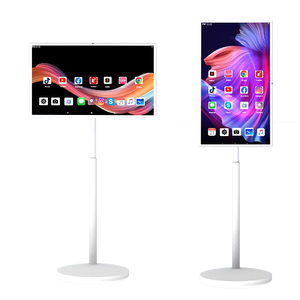
VETO 24 27 32 Inch 4-7H Battery Power Indoor 4K Smart Portable TV Wireless Android Interactive Display with Camera Microphone
Get CatalogExecutive Summary: The Strategic Evolution of Health Bio Tracker Manufacturing
The global wearable bio tracker market is undergoing a structural paradigm shift. Driven by advanced photoplethysmography (PPG) optical sensor miniaturization, piezoresistive force-sensing resistor (FSR) matrix arrays, continuous continuous glucose monitoring (CGM) integration, and on-chip machine learning, biometric monitoring devices are transitioning rapidly from consumer novelty gadgets to clinical-grade preventive healthcare instruments. Procurement officers, B2B hardware brands, telehealth providers, and enterprise wellness managers face unprecedented complexity when selecting Tier-1 manufacturing partners and specialized original equipment manufacturers (OEMs).
This whitepaper systematically evaluates the manufacturing standards, component sourcing pipelines, data compliance frameworks, and technological roadmaps of the top health bio tracker manufacturers. Selecting an optimal production factory requires rigorous auditing of automated surface-mount technology (SMT) precision, micro-encapsulation methods, skin-temperature thermocouple calibration, bio-compatibility certifications (ISO 10993), and enterprise data sovereignty protocols under ISO27001, GDPR, and HIPAA compliance mandates.
Global Health Bio Tracker Sourcing & Procurement Trends (2026–2030)
Procurement directors navigating the 2026–2030 sourcing landscape must realign their vendor evaluation metrics around several technological and economic shifts shaping OEM/ODM manufacturing:
Form Factor Miniaturization
Transitioning from wrist-bound smartwatches to ultra-lightweight titanium unibody smart rings (2.4mm profiles) and non-invasive screenless biometric pods.
Edge AI Microcontrollers
Deployment of dual-core ARM Cortex microprocessors running tinyML neural networks directly on-chip for real-time HRV, AFib, and sleep stage classification.
Multi-Sensor Fusion & Data Integration
Unifying optical PPG, piezoresistive FSR pressure matrixes, multi-channel ECG, skin temperature sensors, and continuous glucose monitors into a consolidated telemetry layer.
B2B buyers are increasingly avoiding single-device manufacturers in favor of integrated healthcare ecosystem suppliers. Leading factories must not only provide durable hardware (IP68 waterproofing, titanium PVD physical vapor deposition coating) but also open-access software development kits (SDKs) and RESTful API infrastructures (such as UltraSignal-style developer layers) that allow seamless telemetry syncing with Apple Health, Google Fit, Garmin, MyFitnessPal, and custom hospital management dashboards.
Key Technological Innovations in Bio Tracker Manufacturing
1. Advanced Optical Photoplethysmography (PPG) Architecture
Modern smart rings and screenless fitness trackers rely on redesigned multi-wavelength PPG optical sensor arrays. By utilizing dynamic green, red, and infrared LED emitters combined with high-gain photodetectors, advanced devices capture high-fidelity arterial pulse waves at the palmar digital arteries of the finger. Arterioles in the finger exhibit significantly higher signal-to-noise ratios and perfusion indexes than wrist vessels, permitting ultra-precise extraction of Heart Rate Variability (HRV), Resting Heart Rate (RHR), SpO2 blood oxygen saturation, and peripheral microvascular dynamics during sleep stages (REM, Deep, Light).
2. Matrix Piezoresistive Film & Wearable FSR Sensors
For specialized telehealth, gait analysis, posture correction, and smart bed sleep diagnostics, piezoresistive Force-Sensing Resistor (FSR) pressure sensor pads represent a major breakthroughs. Manufactured via high-precision screen printing of conductive nanoparticle inks on flexible polyimide substrates, these multi-point matrix sensors dynamically map micro-pressure distributions with sub-millimeter spatial resolution and millisecond response times, opening new manufacturing vectors for clinical remote patient monitoring (RPM).
3. Metallurgical Engineering & Hypoallergenic Enclosures
Factory capabilities in biocompatible materials are now a fundamental competitive differentiator. Medical-grade 316L stainless steel, Grade 5 aerospace titanium unibodies, and hypoallergenic resin encapsulation ensure long-term skin contact safety without triggering contact dermatitis. Modern manufacturing execution systems (MES) incorporate high-vacuum PVD titanium vapor deposition coating lines to deliver high scratch resistance, structural rigidity, and IP68 submersion depth protection up to 100 meters (10 ATM).
4. Firmware Power Optimization & On-Ring Memory Architectures
Battery performance remains a vital operational metric for B2B distributors. Cutting-edge manufacturing architectures incorporate power-managed Bluetooth Low Energy (BLE 5.3) system-on-chips (SoCs) alongside intelligent low-power storage modules. Dual power profiles—such as Turbo Mode (real-time telemetry) vs. Chill Mode (ultra-low power sampling)—allow continuous battery life spans ranging from 4 to 15 days on a single magnetic inductive charge. Integrated flash storage modules capable of logging up to 250 days of local biometric data ensure zero data loss during extended off-grid enterprise deployment.
Enterprise Advantage: Production Capabilities & OEM Sourcing Standards
Top-tier bio tracker factories maintain vertical integration across the entire hardware lifecycle: from initial SMT surface-mount circuit printing and optical lens alignment to automated calibration, bi-directional wireless test chambers, and final packaging. Key operational advantages enterprise clients must inspect include:
- UltraFactory Automated SMT Lines: Class 10,000 cleanrooms utilizing high-speed robotic surface mounters for micro-flex PCB assembly, minimizing solder joint failures under thermal stress.
- ISO 27001, GDPR & HIPAA End-to-End Data Sovereignty: Enterprise-grade security architectures ensuring raw photoplethysmographic and physiological data streams are encrypted with AES-256 at rest and TLS 1.3 in transit.
- Algorithmic Validation via Clinical Partnerships: In-house algorithm development guided by medical and athletic advisory boards, validated against clinical ECG reference monitors, polysomnography (PSG) sleep labs, and metabolic biomarkers published in scientific journals.
- Flexible OEM/ODM Customization Frameworks: Comprehensive white-label support including custom enclosure laser engraving, firmware boot screen customization, specialized vibration motors, Tasbeeh counter digital logic, female biological cycle tracking algorithms, and custom housing dimensions (US ring sizes 5 through 14).
Procurement Evaluation & Factory Selection Matrix
When executing vendor selection audits for enterprise bio tracker contracts, sourcing managers should utilize the following multi-factorial technical compliance matrix:
Comprehensive Sourcing & Manufacturing FAQ
What biometric parameters can modern health bio tracker OEM factories customize?
Tier-1 factories offer granular customization across multi-channel optical PPG algorithms, raw heart rate variability (HRV) time-domain/frequency-domain data output, skin temperature deviation sensing (±0.1°C accuracy), 6-axis inertial measurement unit (IMU) motion sensing, piezoresistive FSR pressure matrix arrays, female biological cycle tracking, stress index calculation, dynamic recovery scores, and custom notification patterns.
What are the minimum order quantities (MOQs) and lead times for OEM smart ring manufacturing?
Standard white-label ODM orders typically require MOQs starting at 500 to 1,000 units per sizing assortment, with delivery within 3 to 4 weeks. Deep custom OEM orders involving custom flex-PCB tooling, specialized enclosure metallurgy (PVD titanium shades), micro-encapsulation molding, and proprietary app SDK integration typically range from 3,000 to 10,000 units with initial NPI (New Product Introduction) engineering cycles of 8 to 12 weeks.
How do health bio tracker factories ensure data privacy under GDPR, ISO27001, and HIPAA compliance?
Leading hardware manufacturing facilities bake security directly into firmware. Microcontrollers utilize hardware root of trust (RoT), secure boot, and cryptographic keys stored inside isolated secure elements. Sensor data payloads sent over Bluetooth 5.3 are encrypted via AES-128/256. Cloud platforms associated with the hardware operate within ISO27001-certified data centers with explicit HIPAA Business Associate Agreement (BAA) readiness for corporate healthcare buyers.
What testing and quality assurance procedures are conducted on factory assembly lines?
Production lines execute 100% automated optical inspection (AOI) on SMT circuits, high-pressure liquid submersion leak testing (IP68 verification up to 10 ATM), thermal cycle chamber baking (-20°C to 60°C), optical pulse-generator PPG spectrum response testing, radio-frequency (RF) wireless signal attenuation checks, and battery cycle degradation stress tests.
Can hardware manufacturers provide SDK/API integrations for existing enterprise software platforms?
Yes. Premium manufacturing partners provide developer platform access (such as REST APIs, WebSockets, and native iOS/Android SDKs). This allows telemetry data—including sleep stages, resting heart rate, activity indices, and respiratory metrics—to be securely streamed directly into third-party enterprise platforms, corporate wellness apps, athlete tracking software, and clinical remote patient monitoring (RPM) dashboards without vendor lock-in.