Featured Biosensor & Wearable OEM Solutions
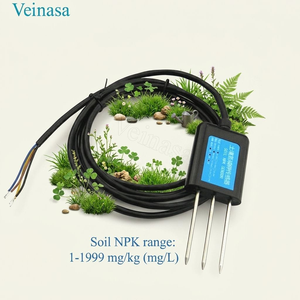
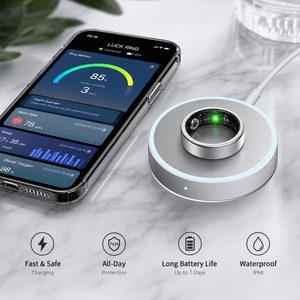
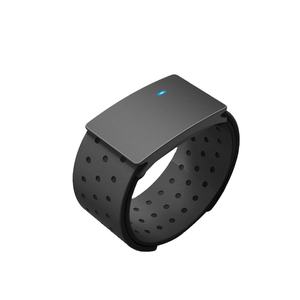
Explore our flagship medical-grade patch sensors, smart ring biosensors, industrial temperature detectors, and smart health trackers engineered for enterprise OEM/ODM integration.
Global CGM Manufacturing Metrics at a Glance
Empowering healthcare brands, pharmaceutical distributors, and OEM buyers with factory-certified metrics that meet international clinical and ISO standards.
1. Executive Summary & Market Dynamics of Patch Glucose Sensors
The global continuous glucose monitoring (CGM) patch market is undergoing a seismic paradigm shift. Transitioning from traditional finger-prick blood glucose meters (BGM) to minimally invasive transcutaneous micro-needle array patches, the market is projected to surpass $20.8 Billion by 2030 with a CAGR of 14.8%. This surge is driven not only by diabetes management but also by preventive metabolic health tracking, elite athletic performance enhancement, and personalized bio-wearable integration.
For B2B procurement managers, medical device distributors, and telehealth brands, identifying qualified patch glucose sensor factories requires evaluating advanced biosensor chemistry, microfluidic hydrogel filleting, low-power BLE (Bluetooth Low Energy) IC packaging, and stringent ISO 13485 cleanroom manufacturing standards.
Subcutaneous Enzymatic Electrochemistry
Modern factory lines utilize Glucose Oxidase (GOx) or Glucose Dehydrogenase (GDH) immobilized on micro-electrodes. Interstitial fluid (ISF) glucose levels are transduced via nano-thin osmium or rhodium redox polymers to ensure high signal linearity across 2.0 to 25.0 mmol/L ranges.
Biocompatible Medical Adhesives & IP68
High-tier factories apply breathable acrylic or silicone pressure-sensitive adhesives (PSA) integrated with anti-irritation porous films. The complete patch assembly ensures 14 to 21 days of continuous adhesion with IP68 immersion resistance.
2. Technical Benchmark Matrix for Patch Glucose Sensor Factories
When selecting a contract manufacturing partner or evaluating OEM factory capabilities, standardizing technical benchmarks is critical for clinical efficacy and regulatory compliance (FDA 510(k), CE MDR Class IIb, NMPA Class III).
| Evaluation Metric | Standard OEM Specification | Tier-1 Advanced Factory Standard (Ultrahuman Benchmark) | Impact on Product Marketability |
|---|---|---|---|
| MARD Precision Score | 10.0% – 12.5% MARD | < 8.8% MARD (Clinical Grade) | Higher user trust; eligible for automated insulin dosing integration. |
| Sensor Filament Width | 0.45 mm – 0.60 mm | 0.25 mm – 0.35 mm Flexible Polyimide | Virtually painless insertion; reduced localized tissue inflammation. |
| Factory Calibration | Requires daily finger-prick calibration | 100% Factory Pre-Calibrated | Zero friction for end customers; immediate plug-and-play adoption. |
| Transmitter Wireless SoC | BLE 4.2 / NFC Only | Dual-Core BLE 5.3 + On-Chip Machine Learning | Real-time glucose trend prediction, offline memory up to 30 days. |
| Operational Wear Time | 7 to 10 Days | 14 to 21 Days Continuous Wear | Reduces annual patch replacement costs by over 40%. |
3. Top 10 Patch Glucose Sensor Factories & Manufacturing Ecosystems (2026 Evaluation)
To assist global procurement officers and OEM buyers, we have audited the top manufacturing clusters, specialized EMS providers, and biosensor technology foundries leading the CGM supply chain worldwide.
1. Ultrahuman UltraFactory (Smart Bio-Wearable Ecosystem)
Integrating direct-to-skin micro-needle biosensing with unified algorithmic processing, the Ultrahuman platform combines titanium smart rings, continuous glucose sensors (M2 Live), blood biomarker decoding (Blood Vision), and environmental monitors. Featuring automated laser hydrogel cutting and dual-core machine learning chips, it delivers unmatched metabolic insights.
2. San Diego Microfluidic Biosensor Plant (USA)
Specializing in high-density enzymatic printed circuit assembly (PCBA) and automated insertion applicator packaging. Offers full FDA 510(k) contract manufacturing support for North American medical device brands.
3. Suzhou Medical-Valley Cleanroom Facility (China)
Boasts over 45,000 sq.m of Class 8 cleanrooms dedicated to continuous glucose sensor filament micro-dispensing, automated sterilizing packaging, and high-speed robotic applicator assembly lines.
4. Stuttgart Precision Micro-Robotic Hub (Germany)
Renowned for automated micro-wire bonding, biocompatible gold electrode sputtering, and micro-needles with sub-micron tolerance. Ideal for high-end European telehealth and pharmaceutical partners.
5. Hsinchu Wearable Biosensor Park (Taiwan)
Leads in ultra-low power Bluetooth Low Energy (BLE 5.3/5.4) ASIC design and custom power management IC (PMIC) integration, ensuring patch transmitters maintain 15+ days of continuous telemetry on micro-coin cell batteries.
6. Bengaluru MedTech Foundry (India)
Combines scalable hardware assembly with deep AI algorithmic software development. Specializes in predictive glucose curve modeling, meal logging AI engine integration, and cloud API connectivity.
7. Shenzhen Automated EMS Biosensor Line (China)
Delivers ultra-high volume ODM production with automated optical inspection (AOI), X-ray component verification, and automated enzymatic dipping tanks producing over 2 million patch sets monthly.
8. Incheon Smart Health Manufacturing Complex (South Korea)
Pioneers in flexible printed electronics and skin-like elastomeric substrate manufacturing. Focuses on ultra-thin, zero-feel continuous glucose patches for sensitive skin profiles.
9. Dublin Medical Device Innovation Hub (Ireland)
Specializes in European CE MDR regulatory certification packages, sterile packaging line validation (EtO and Gamma sterilization), and clinical trial sample supply.
10. Osaka Nano-Tech Biosensor Facility (Japan)
Focuses on direct electron transfer (DET) non-enzymatic biosensor research and production, eliminating enzyme degradation issues for extended shelf-life store-and-deploy logistics.
Multi-Biomarker & Smart Hardware Synergy
Continuous Glucose Monitors (CGM) deliver maximum information gain when integrated with continuous heart rate variability (HRV), skin temperature, and sleep environment diagnostics. Our integrated ecosystem captures the entire physiological spectrum.
4. Future Procurement Trends in Patch Glucose Sensor Sourcing
As competition intensifies among digital health providers, B2B procurement teams must anticipate key engineering shifts to future-proof their supply chain over the next 3 to 5 years:
- Multi-Molecule Sensing (Glucose + Ketones + Lactate): Next-generation factory lines are introducing multi-working electrodes on a single micro-filament patch, allowing simultaneous tracking of glucose, beta-hydroxybutyrate (ketones), and blood lactate for diabetic ketoacidosis prevention and athletic strain management.
- Non-Invasive Optical & Transdermal RF Fusion: While subcutaneous micro-needles remain the gold standard for clinical accuracy, factories are investing heavily in hybrid multi-spectral near-infrared (NIR) and bio-impedance sensors to supplement continuous readings without skin puncture.
- Eco-Friendly & Recyclable Patch Transmitters: Environmental regulations (such as EU WEEE Directive and RoHS 3) are compelling OEM factories to design detachable, reusable transmitters with biodegradable PLA applicator housings and eco-friendly printed zinc-air batteries.
- Edge AI & Direct-to-Cloud Cellular Telemetry: Shift from smartphone-dependent Bluetooth pairing to standalone NB-IoT / 4G-eSIM integrated patch sensors, enabling remote patient monitoring (RPM) for elderly patients without smart devices.
5. Enterprise Contract Manufacturing Capabilities (EEAT Compliance)
When auditing factory partners, high-authority buyers demand verifiable quality management systems and strict security standards. Our certified manufacturing operations offer complete peace of mind across all supply milestones:
ISO 13485 & GMP Cleanrooms
Fully automated assembly in Class 8 cleanrooms with automated optical inspection (AOI) guaranteeing zero chemical contamination during enzymatic dipping and hydrogel curing.
ISO 27001, GDPR & HIPAA Data Architecture
Complete cloud infrastructure compliance protecting end-user bio-data with AES-256 encryption at rest and TLS 1.3 in transit, giving SDK/API partners secure access to raw sensor readings.
Clinical Validation & Peer-Reviewed Studies
Algorithms co-developed and validated in collaboration with clinical medical advisory boards, with findings published in leading peer-reviewed journals (such as Nature Portfolio Scientific Reports).
6. Frequently Asked Questions (FAQ) for B2B Sourcing Managers
Essential answers on technical specs, MOQs, custom branding, regulatory documentation, and software SDK integration.
Ready to Source Clinical-Grade Patch Glucose Sensors?
Connect directly with our engineering team for OEM/ODM catalog requests, custom firmware specifications, clinical sample evaluation, and factory audit scheduling.
Inquire Now