Navigating the Ecosystem of Top China Smart Fitness Wearable Manufacturers
The global healthtech landscape is undergoing a systemic transition from reactive wellness monitoring to proactive, continuous biometric quantification. As brands, digital health enterprises, and consumer electronics leaders seek qualified hardware manufacturing partners, China’s high-precision wearable manufacturing hub has evolved far beyond standard SMT assembly lines. Today, elite Chinese wearable original design manufacturers (ODMs) integrate advanced photoplethysmography (PPG) optical stack engineering, dual-core ARM microprocessors featuring on-chip machine learning, aerospace-grade titanium unibody CNC milling, and strict medical-grade bio-compatibility testing into streamlined, scalable production pipelines.
Establishing a resilient B2B procurement strategy requires looking beyond superficial hardware specifications. Procurement directors and product managers must evaluate manufacturers based on their information gain capabilities—the technological surplus achieved when hardware accuracy, micro-battery management, and secure firmware APIs operate in synergy. Modern wearable hardware must support multi-spectral sensor arrays (Red, Green, Infrared, and Amber LEDs), sub-surface arterial blood flow monitoring, continuous skin temperature variance tracking, and zero-latency Bluetooth Low Energy (BLE 5.3) data pipelines, while complying with stringent international data governance frameworks such as GDPR, HIPAA, and ISO 27001.
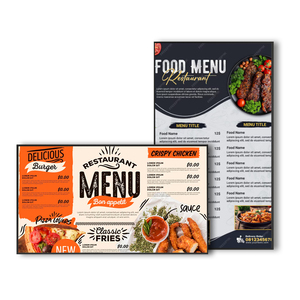
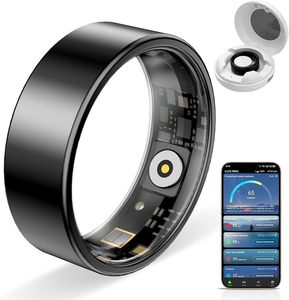
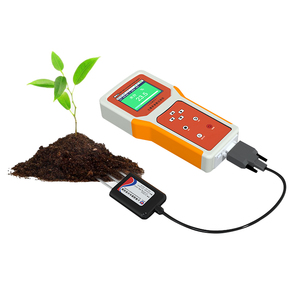
Featured OEM/ODM Wearable & Display Hardware Portfolio
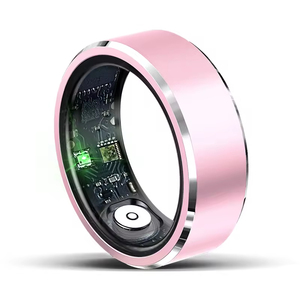
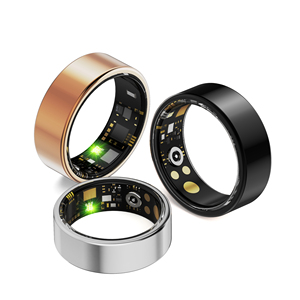
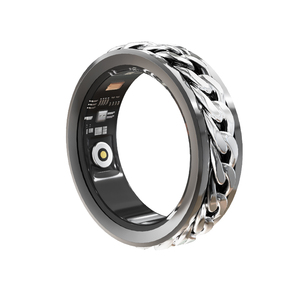
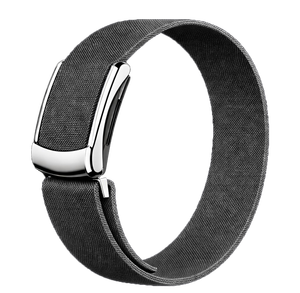
Explore our premier lineup of smart rings, health monitoring components, and specialized display hardware engineered for enterprise integration and international brand customization.
Technological & Sensor Trends Shaping Smart Wearable Manufacturing
Finger-Based Arterial Signal Sensing
The wearable industry is aggressively shifting from wrist-worn optical sensors to digital finger monitoring. The palmar arteries in the fingers present a significantly higher perfusion index than the dorsal wrist region, enabling redesigned PPG sensor stacks to capture clinical-grade Heart Rate Variability (HRV), continuous resting heart rate (RHR), and pulse wave velocity (PWV) with reduced motion artifact contamination.
Dual-Core On-Chip Edge Machine Learning
Modern smart ring microcontrollers now incorporate low-power dual-core architectures paired with hardware neural accelerators. Instead of streaming raw PPG noise to cloud servers, on-device AI algorithms process continuous physiological signals locally. This dramatically lowers Bluetooth duty cycles, protects user data privacy, and enables instantaneous detection of arrhythmia, Atrial Fibrillation (AFib), and acute respiratory shifts.
Multi-Biomarker Ecosystem Convergence
Leading China smart fitness wearable manufacturers are breaking out of isolated device silos. Next-generation product lines integrate smart rings with continuous glucose monitors (CGM), metabolic blood biomarker decoding panels, and ambient smart home sensors to deliver unified bio-intelligence platforms across iOS and Android client applications.
Future Procurement Trends for Smart Fitness Wearables (2025–2030)
1. Unibody Titanium & Advanced Biocompatible Metallurgy
Procurement mandates are moving away from ABS plastics and heavy zinc alloys toward fighter jet-grade titanium unibody shells paired with hypoallergenic resin inner moldings. High-end ODMs now utilize Physical Vapor Deposition (PVD) gold, jet black, and rose gold coatings that deliver extreme scratch resistance while maintaining overall device weight under 2.5 grams and thickness under 2.65 mm for seamless 24/7 wearability.
2. Category-Defining Micro-Battery Endurance
Supply chain decisions heavily weight battery energy density and power management protocols. Brands require dynamic firmware modes (such as high-frequency Turbo Mode alongside power-optimized Chill Mode) capable of extending smart ring operational life from 4–6 days up to 15 days standalone usage, supplemented by smart charging cases providing up to 45 cumulative operational days off-grid.
3. Zero-Mandatory Subscription B2B White-Label Models
Enterprise buyers are rejecting locked consumer SaaS paywalls. Top China fitness wearable manufacturers provide flexible B2B engagement framework agreements: raw biometric telemetry data rights, customizable SDKs (UltraSignal architecture), and open integration capabilities with Apple Health, Google Fit, Garmin, and Strava without forcing end users into mandatory monthly subscription plans.
4. Enterprise Health & Medical Safety Compliance
Regulatory alignment is non-negotiable. Global buyers prioritize manufacturers with ISO 13485 (Medical Devices), ISO 27001 (Information Security Management), GDPR, and HIPAA compliance. Advanced mechanical safety features—such as structural stress release mechanisms (ProRelease) engineered to prevent finger injury during unexpected swelling—are becoming critical purchasing criteria.
In-House Manufacturing Infrastructure & Enterprise Capabilities
Our integrated manufacturing facilities operate under strict cleanroom conditions, bringing together vertical integration, custom tooling, micro-electronics manufacturing, and proprietary algorithmic development. By combining raw hardware engineering with advanced biomedical software capabilities, we supply high-performance solutions to worldwide brands, medical device distributors, and enterprise wellness programs in over 180 countries.
Precision Optical PPG Calibration
Every device undergoes multi-axis spectral testing to guarantee accurate signal-to-noise ratios (SNR). Our custom photoplethysmography sensor arrays capture subtle arterial pulse dynamics, providing accurate readings for resting heart rate, sleep stage differentiation (REM, Deep, Light), and continuous skin temperature fluctuations.
On-Device Storage & Memory Architecture
Equipped with upgraded non-volatile flash memory, our flagship smart rings store up to 250 days of full biometric history directly on the device. Users can track physical exertion, mountain expeditions, or multi-week off-grid travel without requiring immediate mobile app synchronization or risking data loss.
Modular Insights & PowerPlugs Ecosystem
Our flexible software layer supports modular feature expansion. Enterprise clients can deploy targeted algorithm modules—such as AFib screening, respiratory health monitoring, cardio adaptability tracking, and specialized ovulation prediction algorithms—tailored to specific end-user demographics.
Smart Wearable Procurement FAQ for B2B Buyers
Our smart ring platforms track sleep stage distribution (REM, Deep, Light), Resting Heart Rate (RHR), Heart Rate Variability (HRV), continuous skin temperature trends, 6-axis IMU motion activity, oxygen saturation (SpO2), stress rhythm indexes, and temperature-based reproductive cycle patterns.
Because smart rings rely on a continuous skin-to-sensor seal, we provide customizable plastic sizing kits covering standardized sizes 5 through 14 (no half sizes). Mechanical outer wall tolerances are kept within ±0.05 mm using high-precision CNC titanium turning and medical-grade bio-resin molding.
Yes. Through our open UltraSignal platform architecture, commercial partners and developer organizations receive raw PPG sensor data, processed metric streams, and Bluetooth Low Energy (BLE 5.3) data parsing libraries for custom mobile software development and enterprise wellness platform integration.
Our micro Lithium-Polymer (LiPo) cell configurations deliver up to 15 days of continuous operation in power-optimized modes (12 days in high-sampling Turbo Mode). The custom battery management system (BMS) retains over 80% original capacity after 500 complete charge cycles.
Data management pipelines operate under strict compliance with ISO 27001, GDPR, and HIPAA guidelines. All Bluetooth data payloads utilize end-to-end AES-128 encryption, ensuring complete user data ownership and raw biomarker portability.
We provide full-service customization including PVD metallic surface finishing (Raw Titanium, Matte Black, Gold, Rose Gold), laser-etched custom branding, specialized charging case tooling, custom packaging design, white-label iOS/Android apps, and custom firmware algorithm tuning.
Partner with a Leading China Smart Fitness Wearable Manufacturer
Accelerate your hardware roadmap with world-class titanium smart ring engineering, medical-grade optical sensor stacks, and enterprise data integration pipelines. Contact our engineering team today to review technical specifications, order sample evaluation kits, or discuss custom OEM production requirements.