State of the Art in Wearable ECG Manufacturing & Sourcing
As the global demand for remote patient monitoring (RPM), decentralized clinical trials, and proactive cardiovascular care accelerates, sourcing medical-grade continuous cardiac sensors from established original equipment manufacturers (OEM) and original design manufacturers (ODM) in China has become a key strategic priority for healthcare providers, telemedicine platform operators, and medical device distributors.
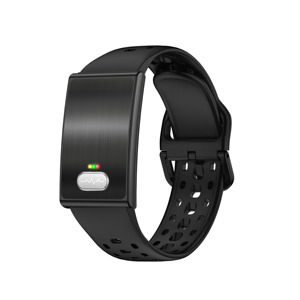
China's manufacturing ecosystem for wearable electrocardiogram (ECG/EKG) devices has evolved from simple pulse-rate monitors into sophisticated biomedical engineering hubs capable of producing high-precision, multi-lead telemetry patches, smart rings, and continuous Holter monitors certified under strict international regulatory frameworks (including US FDA 510(k), EU CE MDR, and NMPA standards).
Bio-Sensing Signal Integrity
Utilizing high-CMRR (Common Mode Rejection Ratio >100dB) analog front-ends (AFE) combined with active noise cancellation algorithms to capture microvolt-level cardiac signals with zero distortion during vigorous physical motion.
Edge AI Arrhythmia Classification
On-chip machine learning models run inference directly on low-power microcontrollers, performing real-time detection of Atrial Fibrillation (AFib), Premature Ventricular Contractions (PVC), and heart rate variability (HRV) anomalies.
Medical Cleanroom Fabrication
Manufactured in ISO Class 7 and Class 8 cleanrooms using biocompatible, skin-friendly materials (ISO 10993 certified) and IP67/IP68 dust-and-waterproofing to ensure long-term wearable comfort.
Technical Comparison: Single-Lead vs. Multi-Lead Wearable Telemetry
When selecting a manufacturing partner in China for enterprise hospital deployment or consumer digital health devices, buyers must evaluate the underlying hardware architecture. Below is a comparative benchmark based on technical parameters commonly customized during OEM/ODM production:
| Parameter / Feature | Single-Lead Patch / Band | 3-Lead Continuous Telemetry | 12-Lead Ambulatory Holter |
|---|---|---|---|
| Primary Application | Consumer wellness, AFib screening, HRV tracking | Remote patient monitoring, post-op cardiac care | Diagnostic hospital EKG, ischemia detection |
| Sampling Rate (Hz) | 256 Hz – 512 Hz | 512 Hz – 1024 Hz | 1024 Hz – 4096 Hz |
| Signal-to-Noise Ratio | > 80 dB | > 100 dB | > 115 dB |
| Battery Operating Life | 7 to 15 Days continuous | 3 to 7 Days continuous | 24 to 72 Hours recording |
| Wireless Communication | BLE 5.3 / ANT+ | BLE 5.3 / Wi-Fi / LTE-M / NB-IoT | BLE 5.0 / USB 3.0 Sync |
| Electrode Interface | Dry bio-conductive titanium / silicone | Hydrogel disposable pads / FPC patch | Standard Ag/AgCl suction / patch set |
Future Procurement Trends in Wearable Cardiac Monitoring (2025–2030)
The global enterprise procurement landscape for wearable telemetry is undergoing a massive shift. B2B buyers must align their product roadmaps with several upcoming technology transitions:
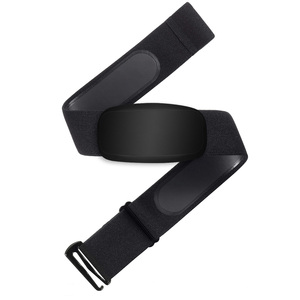
- Transition to Dry Bio-impedance Electrodes: Traditional wet hydrogel electrodes cause skin irritation during multi-day monitoring. Procurement is pivoting toward dry conductive polymer and metallic titanium PVD coatings integrated into smart rings and flexible chest straps.
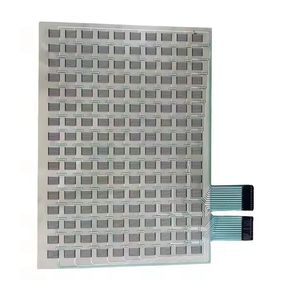
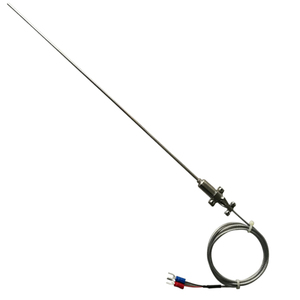
- Multi-Parametric Sensor Fusion: Modern wearable ECG monitors are no longer standalone cardiac recorders. Factories are integrating continuous optical PPG, photoplethysmography, continuous skin temperature thermocouples (IP65 probes), piezoresistive FSR pressure matrix sensors, and 6-axis IMUs to deliver unified physiological scoring.
- Cellular Direct-to-Cloud Telemetry: Removing the requirement for a paired smartphone gateway by embedding ultra-low-power NB-IoT and LTE-M modules directly into hospital-grade patch monitors.
- SDK & Open-API Ecosystem Integration: Enterprise healthcare platforms require seamless ingestion into electronic health record (EHR) databases via HL7 FHIR protocols. Leading factories now supply turn-key iOS/Android SDKs and cloud APIs alongside raw hardware.
Why Partner With Our China Smart Wearable Production Facilities?
With over two decades of dedicated biomedical engineering experience, our state-of-the-art manufacturing campus in China provides global brands, hospital networks, and medical tech startups with end-to-end hardware development, rapid prototyping, mass manufacturing, and international regulatory clearance support.
In-House High-Speed SMT
Equipped with modern Yamaha and Fuji Surface Mount Technology lines capable of placing 0201 micro-components and ultra-fine pitch BGAs with sub-micron precision for compact wearable PCBA designs.
Rigorous Quality Assurance
Every ECG module undergoes automated optical inspection (AOI), functional signal testing via simulated ECG pulse generators, thermal chamber aging, and 100% pressure-drop waterproofing validation.
Global Logistics & Regulatory Support
Complete documentation packages provided for medical device registration, including 510(k) submission files, CE technical files, UN38.3 lithium battery transport test reports, and RoHS/REACH compliance certifications.
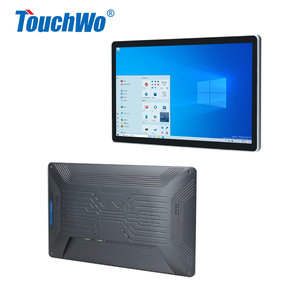
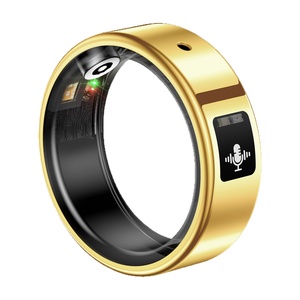
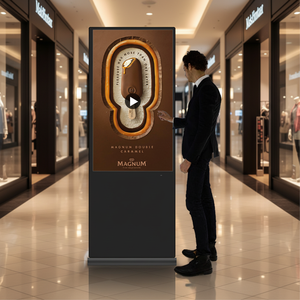
Whether your business requires specialized form factors such as titanium smart health rings, screenless HRV recovery trackers, or custom wall-mounted hospital displays for kitchen display systems (KDS) and patient telemetry kiosks, our engineering team delivers tailored firmware, hardware housing, and cloud algorithms to match your target operational requirements.
Partner With China's Premier Wearable ECG Factory
Contact our engineering and procurement team today to request product samples, factory price lists, custom tooling evaluations, or technical SDK documentation.