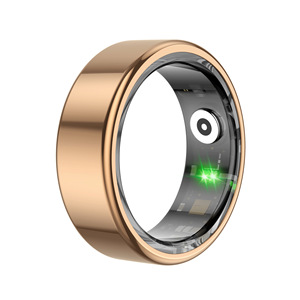
Sports Smart Ring Wearable Health Step IP68 Waterproof Counting BT 5.1 Sleep Tracking Blood Oxygen Heart Rate Gift
- IP68 Submersible Waterproof Design
- Nordic nRF52840 Ultra-Low Power MCU
- Multi-Spectral SpO2 & Heart Rate Engine
Factory-direct OEM/ODM wearable systems, non-invasive sensors, and integrated telehealth monitoring hardware manufactured for international healthcare brands.
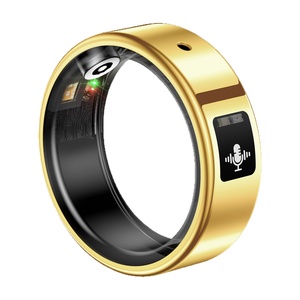
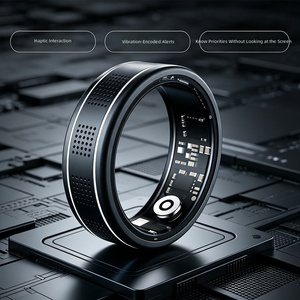
China’s wireless health monitoring manufacturing ecosystem bridges high-precision optical sensor integration, mass-scale SMT automation, and strict compliance with international medical devices standards.
Factories feature Class 100,000 cleanrooms and vertically integrated automated SMT production. Data governance models strictly comply with GDPR, HIPAA, and ISO 27001 data security frameworks, ensuring compliance for EU and US markets.
From custom titanium ring tooling and PVD physical vapor deposition coating to raw BLE signal API access via UltraSignal Developer SDKs, Chinese exporters deliver complete firmware, cloud, and enclosures tailored to your brand.
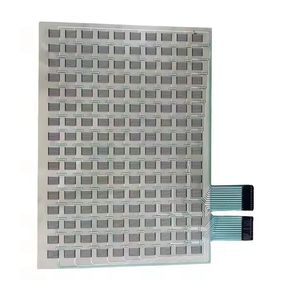
Utilizing high-perfusion finger-based Photoplethysmography (PPG), multi-axis piezoresistive FSR film matrices, and continuous skin-temperature arrays to ensure clinical-grade precision across cardiac, metabolic, and sleep biomarkers.
The convergence of micro-optics, edge machine learning, and flexible electronics is re-defining consumer and clinical telehealth devices.
Traditional wearables stream raw signal noise to mobile applications, draining battery reserves. Next-generation smart rings and monitors integrate dual-core architectures with micro NPU (Neural Processing Unit) acceleration directly on the PCB. Algorithms compute Heart Rate Variability (HRV), REM/Deep Sleep stages, and Arrhythmia anomalies locally on the ring chip, extending single-charge battery longevity up to 15 days in Chill Mode.
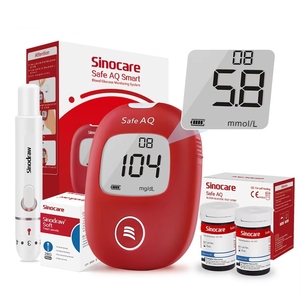
Optical sensor arrays have transitioned from single green LEDs to multi-spectral configurations combining Red, Near-Infrared (NIR), and Amber wavelengths. Coupled with advanced electrochemical sensing strips and multi-point piezoresistive FSR matrices, modern devices measure continuous blood glucose trends, localized vascular elasticity, tissue pressure distribution, and skin temperature micro-fluctuations.
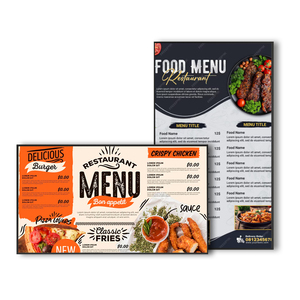
Wireless health monitoring expands beyond personal wearables into smart care environments. Flexible FSR matrix pads embedded in hospital mattresses or posture chairs stream tactile pressure diagnostics over BLE 5.3. Concurrently, ultra-slim 4K UHD digital signage panels serve as interactive bedside menu boards and medical status telemetry displays across modern digital hospitals.
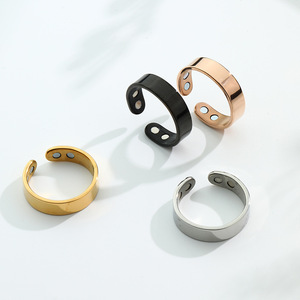
B2B importers prioritize structural safety and bio-compatibility. Premier smart rings utilize fighter jet-grade Titanium unibody shells with PVD titanium nitride coatings. Built-in mechanisms such as ProRelease emergency expansion grooves prevent finger trauma in severe swelling incidents, guaranteeing compliant deployment in commercial healthcare and sports programs.
| Feature Metric | Next-Gen OEM Smart Rings | Standard Wrist Fitness Bands | Medical Telehealth Sensors |
|---|---|---|---|
| Primary Sensing Location | Digital Arterioles (High Perfusion) | Radial Artery (Wrist) | Transdermal / Mat Matrix |
| Battery Longevity | Up to 15 Days (45 Days w/ Case) | 2 to 5 Days | Continuous Mains / 14-day CGM |
| Data Storage on Device | Up to 250 Days Local Storage | 24 to 48 Hours | Cloud Relay Dependent |
| Form Factor & Ergonomics | 2.4mm - 2.65mm Titanium Unibody | Bulky Plastic / Silicone Strap | Flexible FSR Pad / Kiosk Panel |
| Security & Privacy | ISO27001, HIPAA & GDPR Compliant | Basic Consumer Encryption | Hospital Network SSL / HL7 |
Navigating regional regulation, ecosystem integration, and supply chain resilience over the 2025–2030 sourcing horizon.
Global distributors and corporate wellness platforms are turning away from heavy recurring SaaS fees. Importers demand white-label hardware where core physiological metrics (HRV, sleep, SpO2, glucose) remain accessible subscription-free, while charging only for premium modular plugins.
Procurement volumes are heavily shifting from direct-to-consumer (D2C) retail toward enterprise fleets. Insurance carriers and corporate wellness programs purchase smart rings and monitoring pads in bulk, leveraging Open API integration with Apple Health, Google Fit, and Garmin ecosystems.
US and European importers prioritize Chinese ODM partners offering pre-certified FCC, CE, RoHS, and RED hardware. Hardware designs tailored for HSA/FSA reimbursement eligibility accelerate market access for North American healthcare buyers.
Detailed answers regarding manufacturing lead times, minimum order quantities (MOQ), customization, and regulatory standards.
Request comprehensive OEM/ODM pricing, engineering specification sheets, hardware samples, and SDK documentation from China’s leading medical hardware exporters.