Industrial Portfolio
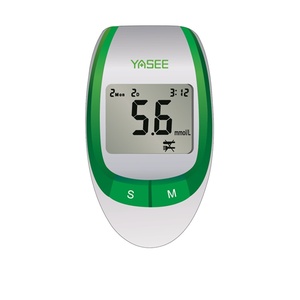
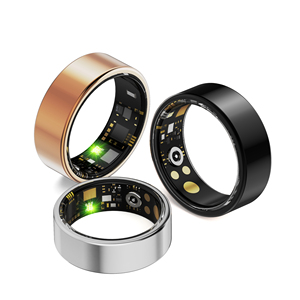
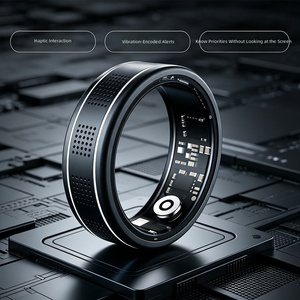
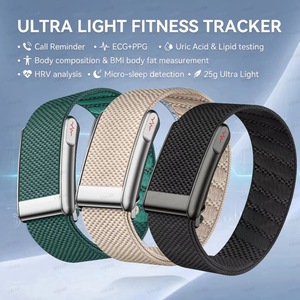
Featured Healthcare Sensor Telemetry Hardware
Precision-engineered continuous health monitors, PPG biometric rings, continuous glucose monitoring (CGM) patches, and clinical-grade temperature telemetry platforms certified for Japan and international enterprise integration.
128M+
Nights Telemetry Logged
180+
Global Markets Served
ISO 27001
HIPAA & GDPR Compliant
< 0.15%
RMA Defect Margin
Strategic Whitepaper
Wearable Health Sensor Dynamics in the Greater Tokyo Market
Analyzing the shift toward non-invasive physiological telemetry, Society 5.0 eldercare infrastructure, and enterprise biometric integration across Japan's healthcare landscape.
Society 5.0 & Automated Senior Telemetry
Tokyo is currently the global epicentre for demographic aging. Japan’s Cabinet Office initiative, Society 5.0, emphasizes the seamless fusion of physical space and cyberspace. Elderly care facilities in Tokyo, Yokohama, and Saitama are rapidly replacing manual nursing vitals checks with continuous optical PPG sensors, skin temperature probes, and smart ring ecosystems.
By implementing high-density micro-sensors into everyday wearables, care homes mitigate midnight nursing staff shortages while maintaining real-time monitoring for nocturnal cardiac anomalies, heat stroke warnings, and sudden fever onset.
Continuous Metabolic Telemetry (CGM + PPG)
The Japanese Ministry of Health, Labour and Welfare (MHLW) reports a steady rise in metabolic syndrome awareness (Tokutei Kenshin). Corporate health insurance societies (Kenko Hoken Kumiai) in Tokyo are actively funding preventative health initiatives for enterprise employees.
Combining continuous glucose monitor (CGM) sensors with heart rate variability (HRV) wearable bands enables Tokyo tech enterprises to offer bio-feedback tools that correlate postprandial glucose spikes with afternoon workplace fatigue and sleep debt, drastically reducing long-term metabolic health expenditures.
Strict Technical Compliance: PMDA, TELEC & PSE
Entering the Japanese enterprise healthcare ecosystem requires strict compliance with domestic telecommunication and safety standards. Wireless wearables operating on Bluetooth Low Energy (BLE 5.3) must secure TELEC (MIC Technical Conformity Mark) clearance to prevent signal interference in dense Tokyo urban sectors.
Additionally, power supplies, charging docks, and interactive clinical displays require PSE (Electrical Appliance and Material Safety Law) certification, alongside PMDA regulatory pathways for medical-grade non-invasive monitoring devices.
Interactive Hospital & Telehealth Touch Points
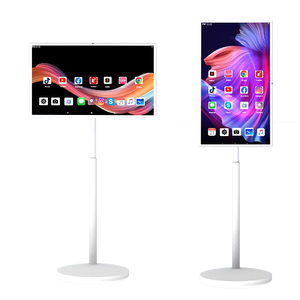
Medical institutions across Minato-ku, Shinjuku, and Chiyoda are upgrading patient consultation rooms with high-definition wireless Android displays and interactive touch kiosks. These monitors act as localized hub nodes, pulling real-time physiological data from a patient's smart ring or skin probe during teleconsultations.
By providing high-fidelity visual data representations to doctors and patients simultaneously, Tokyo health clinics shorten consultation cycles while enhancing patient adherence to targeted treatment plans.
Application Scenarios
Deployment Ecosystems Across Greater Tokyo
From Shibuya health-tech startups to Tokyo Bay eldercare facilities, explore how our specialized sensor OEM/ODM hardware powers real-world Japanese operations.
Tokyo Senior Care & Assisted Living Facilities
In facilities located across Setagaya and Nerima wards, lightweight IP68 micro smart rings and skin temperature probes monitor residents continuous thermal and sleep metrics.
- Early detection of nocturnal fever spikes and infection onset
- Nocturnal restlessness tracking to prevent fall incidents
- Skin-safe bio-compatible TPU probes for bedridden care
Tokyo Corporate Health & Industrial Workers
Tokyo construction firms operating in summer microclimates utilize nylon TPE smart wristbands to prevent heat stroke among field personnel.
- Continuous skin surface thermal deviation telemetry
- HRV stress rhythm indexing during heavy manual labor
- Automated BLE alert transmissions to safety managers
Ginza & Roppongi Longevity Clinics & Gyms
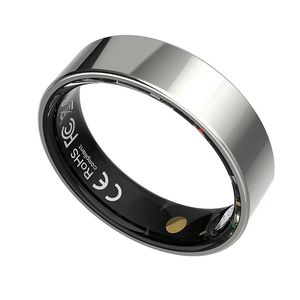
Boutique fitness centers and longevity biohacking facilities in central Tokyo leverage titanium smart rings and non-invasive CGM kits for high-net-worth clients.
- Real-time glucose response tracking during customized workout sessions
- Autonomic nervous system recovery scoring post-cryotherapy
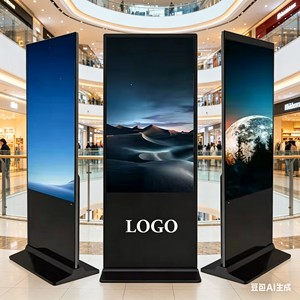
- Synchronized data visualizer on 75-inch clinic kiosks
Factory Excellence
Engineering Superiority: UltraFactory Production
Why premier global medical device brands and Japanese healthcare hardware distributors partner with our specialized manufacturing centers in China.
Uncompromised Precision Manufacturing & Sensor Calibration
Our state-of-the-art Chinese manufacturing facilities feature SMT cleanrooms designed specifically for micro-wearable assembly. Combining high-density multi-wavelength PPG optical sensors (red, green, infrared, and yellow spectrums) with 6-axis inertial measurement units (IMU), our production pipelines guarantee clinical signal fidelity even under motion artifacts.
Unlike generic assembly plants, our in-house automated testing rigs conduct 100% thermal chamber validation, helium leak pressure testing for IP68 waterproof ratings, and dual-point sensor calibration before shipping to Narita or Tokyo Port hubs.
Production Capability Standards
- Cleanroom Standard: ISO Class 7 Medical Cleanroom
- Sensor Processing: Dual-core Machine Learning On-Chip
- Enclosure Materials: Fighter Jet Titanium / Medical TPU
- Quality System: ISO 13485 / ISO 27001 Certified
- Firmware & SDK support: UltraSignal Native BLE API / iOS / Android
Specification Matrix
B2B Product Telemetry & Specification Benchmark
Compare our enterprise-grade wearable hardware specifications tailored for Japanese healthcare importers and solution providers.
| Device Category | Core Sensor Payload | Battery / Power Standard | Data Connectivity | Compliance & Rating | Target Local Application |
|---|---|---|---|---|---|
| SmartRing Telemetry (PRO Series) | Redesigned PPG, 3D Temperature Sensor, 6-Axis IMU | Up to 15 Days Ring / 45 Days with Case | BLE 5.3 + On-Chip Storage (250 Days) | IP68 Waterproof, CE, TELEC Ready | Preventative Wellness, Tokyo Senior Telemetry |
| Non-Invasive CGM Monitoring Kit | Sub-dermal Electrochemical Sensor, Micro-needle Matrix | 14-Day Continuous Single Sensor Patch | NFC Wireless Sync + BLE Direct Stream | CE Certified, ISO 13485 Production | Metabolic Health Programs, Enterprise Wellness |
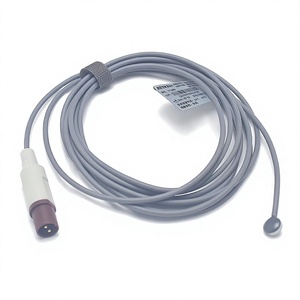
| Medical Skin Temp Probe | High-Precision Thermistor NTC Probe Element | Direct Wired Power (2-Pin Connector) | Analog Medical Cable Standard (3-Meter) | Medical-grade TPU, CE Certified | Hospital ICU, Patient Bedside Monitoring |
| Interactive Clinical Screen (VETO) | 4K Ultra-HD Touch Screen, Camera + Array Mic | Internal Lithium Pack (4-7 Hours Continuous) | Dual-Band Wi-Fi 6, BLE, USB-C, HDMI | PSE Certified Power Module, CE | Tokyo Doctor Tele-consultation, Clinic Signage |
| Smart Health Band (TPE/Nylon) | Optical Heart Rate, SpO2 Sensor Array, IMU | 7-10 Days Active Tracking | BLE 5.0 Low Latency Mode | IP67 Water Resistant, RoHS | Industrial Safety, Construction Heat Stress Alert |
Enterprise Security
Compliant Data Pipeline for Japan's APPI Framework
Biometric telemetry collected in Japan is subject to strict enforcement under the Act on the Protection of Personal Information (APPI). Our enterprise platform architectural framework segregates raw physical hardware sensor data from personally identifiable information (PII).
Through end-to-end AES-256 encryption at the hardware transport layer and complete ISO 27001, HIPAA, and GDPR compliance, Tokyo healthcare aggregators can safely stream raw biometric signals via our UltraSignal SDK directly to local AWS Tokyo (ap-northeast-1) servers without risk of data sovereignty violations.
Zero Data Lock-In Architecture
Full API ownership for B2B buyers
Japanese enterprise partners receive uncompromised access to raw photoplethysmography (PPG) waveform vectors, skin temperature differentials in Celsius, and 3D accelerometer sensor data. Build proprietary health algorithms without relying on closed third-party cloud engines.
Procurement Guide
Frequently Asked Questions for Tokyo Importers & B2B Buyers
Everything you need to know about purchasing, certifying, custom-branding, and importing wearable health sensor hardware from China into Japan.
How do you support TELEC (MIC Technical Conformity Mark) certification for wireless health wearables exported to Japan?
We provide comprehensive hardware documentation, RF test reports, and circuit schematics required for TELEC approval under the Radio Law of Japan. For high-volume OEM/ODM projects, we collaborate directly with accredited testing laboratories (such as TELEC or DSP Research) to pre-certify wireless modules (BLE 5.0/5.3) before mass shipping to Tokyo.
What is the typical lead time for custom OEM smart ring orders delivered to Tokyo Port or Narita Airport?
For standard off-the-shelf sensor hardware, shipment dispatch occurs within 3–5 business days. For customized OEM orders (laser-engraved company logos, specialized Japanese retail packaging, custom firmware ring-size configurations), mass production takes 14–21 days. Air freight to Tokyo (Narita/Haneda) takes approximately 2–4 days, while ocean freight to Tokyo Port typically arrives within 7–10 days from our manufacturing facilities.
Can your Continuous Glucose Monitoring (CGM) systems be integrated with Japanese telehealth mobile applications?
Yes. We supply comprehensive Bluetooth Low Energy (BLE) software development kits (SDKs) and RESTful API documentation compatible with iOS (Swift) and Android (Kotlin/Java). Your Japanese software development team can easily bridge data streams from our CGM hardware directly into local medical platforms or LINE mini-apps.
Do your smart interactive screens and kiosks carry PSE certification for Japan's electrical safety standard?
All our powered interactive screens (including the VETO 24–32 inch portable smart monitors and 75-inch indoor touch kiosks) can be equipped with Diamond or Circle PSE-certified power adapters and internal lithium batteries specifically built to comply with Japan's Electrical Appliance and Material Safety Law.
What Minimum Order Quantities (MOQs) apply for white-label OEM smart rings and sensor bands?
Our standard evaluation orders start at low MOQs (as few as 10–50 units) to allow Japanese enterprise clients to conduct feasibility testing and local user trials. Full custom OEM branding (custom packaging, custom casing colors, and specialized laser etching) starts at 500 units per batch.
How do your physiological sensors maintain measurement accuracy across diverse skin tones and temperatures?
Our PPG optical sensor arrays utilize dynamic multi-wavelength emitter switching (adjusting LED drive currents across green, infrared, and red spectrums). Coupled with on-chip machine learning noise-cancellation algorithms, our devices maintain high PPG signal-to-noise ratios even during micro-vascular peripheral vasoconstriction induced by Tokyo's colder winter months.
What warranty and replacement policies (RMA) do you offer for Japanese healthcare hardware distributors?
We provide a standard 12-month complete hardware replacement warranty for all medical-grade sensors, smart rings, and displays. For key Japanese distributor partners, we maintain localized spare parts stock and advance hardware swap programs (UltrahumanX enterprise level) to ensure immediate local turnaround without waiting for international returns.
Can the skin temperature probes be sterilized using standard Japanese hospital protocols?
Yes. Our reusable skin temperature probes are encased in medical-grade biocompatible TPU (Thermoplastic Polyurethane) that withstands repeated disinfection with standard clinical sanitizers used in Japan, including 70% Isopropyl Alcohol and Chlorhexidine solutions, without degrading material flexibility or sensor conductivity.